
Photobooks for Change: discover the selected projects
The first edition of Fotolibros por el Cambio (Photobooks for Change) features fifteen projects that explore different realities using the book as a space for reflection, memory and dialogue. Territory, identity, childhood, migration, collective memory and ways of relating to the environment feature in a selection which shows that the photobook is much more than just a medium for images.
Un luogo bello (A beautiful place): Alessandro Mallamaci
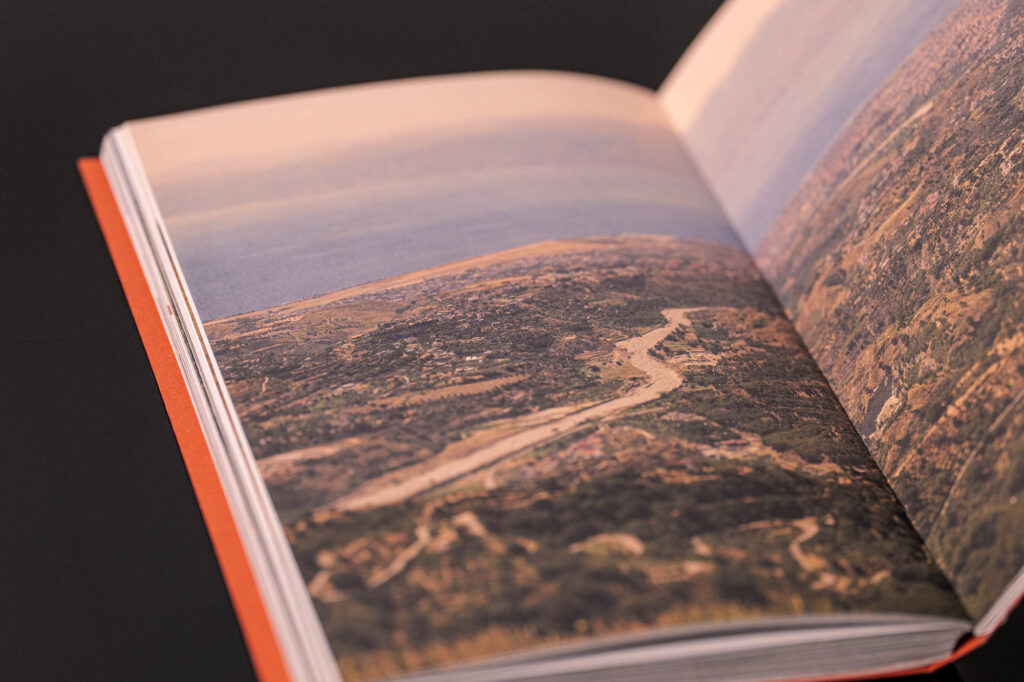
Un luogo bello stems from Alessandro Mallamaci’s connection with the valley of the Sant’Agata river in southern Italy. It is a photobook that approaches a landscape deeply linked to the author’s memory and identity, based on a simple and personal appreciation of a place he considers beautiful.
Cuaderno de campo (Field notes): Antonio Moreno
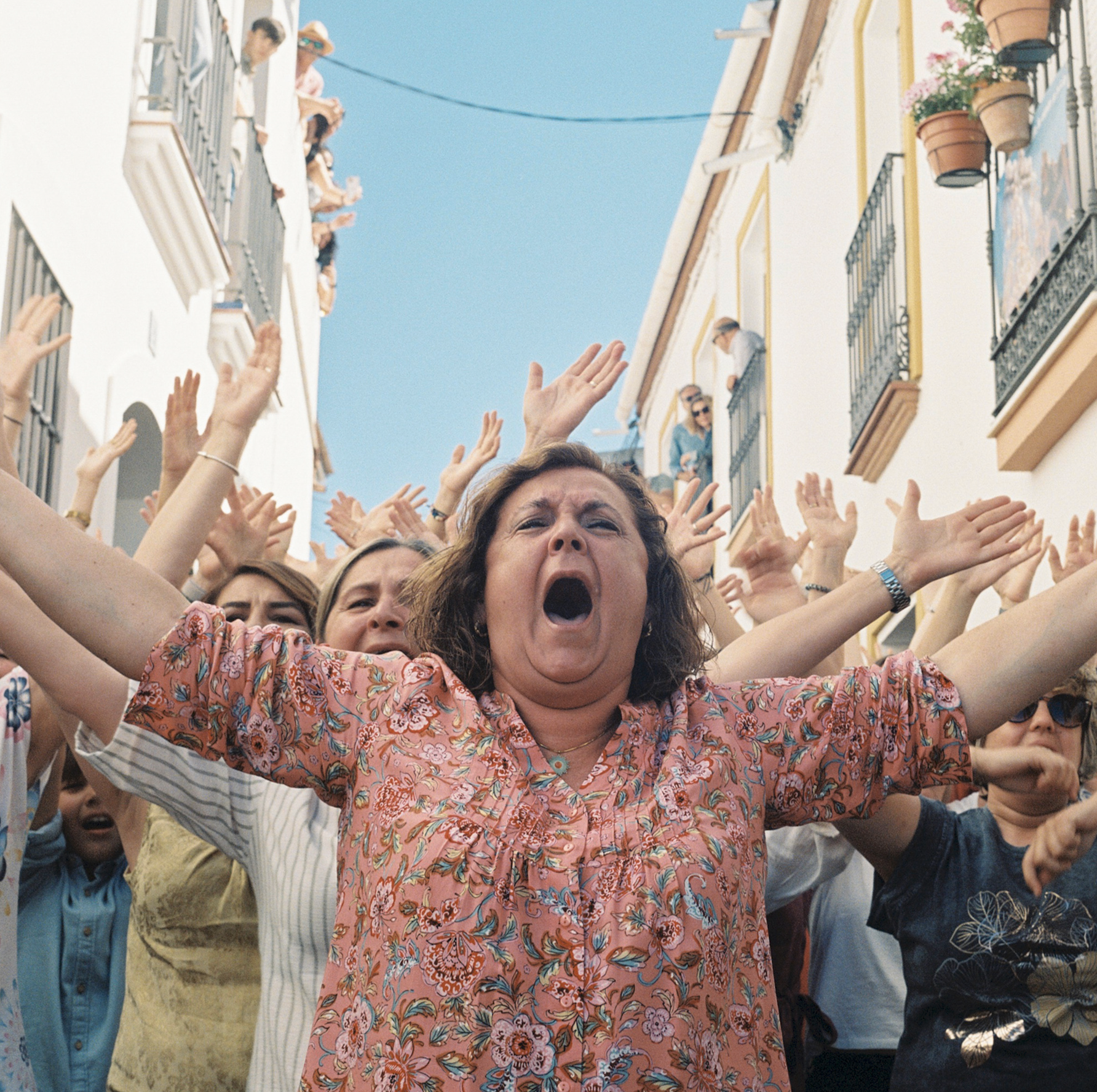
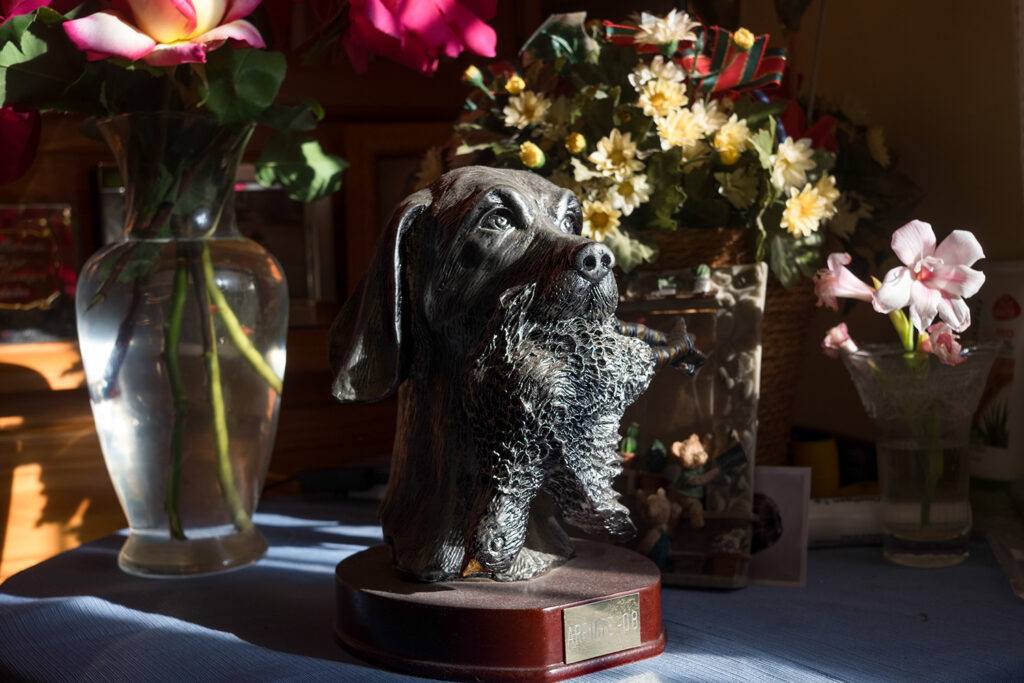
For fourteen years, Antonio Moreno photographed the word of hunting, a tradition that was present in his family but with which he never really felt connected. Cuaderno de campo uses the photobook as a space for exploration and dialogue about family, territory and the way in which certain ways of understanding the world are passed on and normalised.
Ovo (Egg): Calebe Simoes
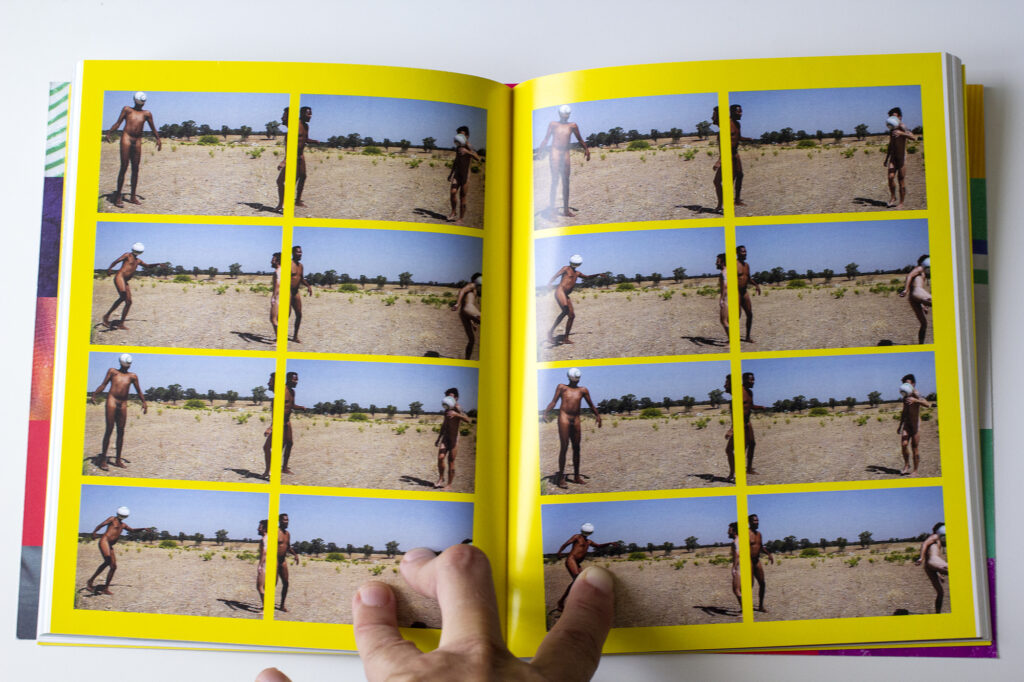
Ovo explores the relationships between memory, identity and power within the context of contemporary Brazilian politics. Through family photographs, found images and material from the author’s personal archive, the project delves into the symbols, traditions and narratives that feed into the construction of political imaginaries.
Terreno edificable (Building lot): Candela Henarejos Mas
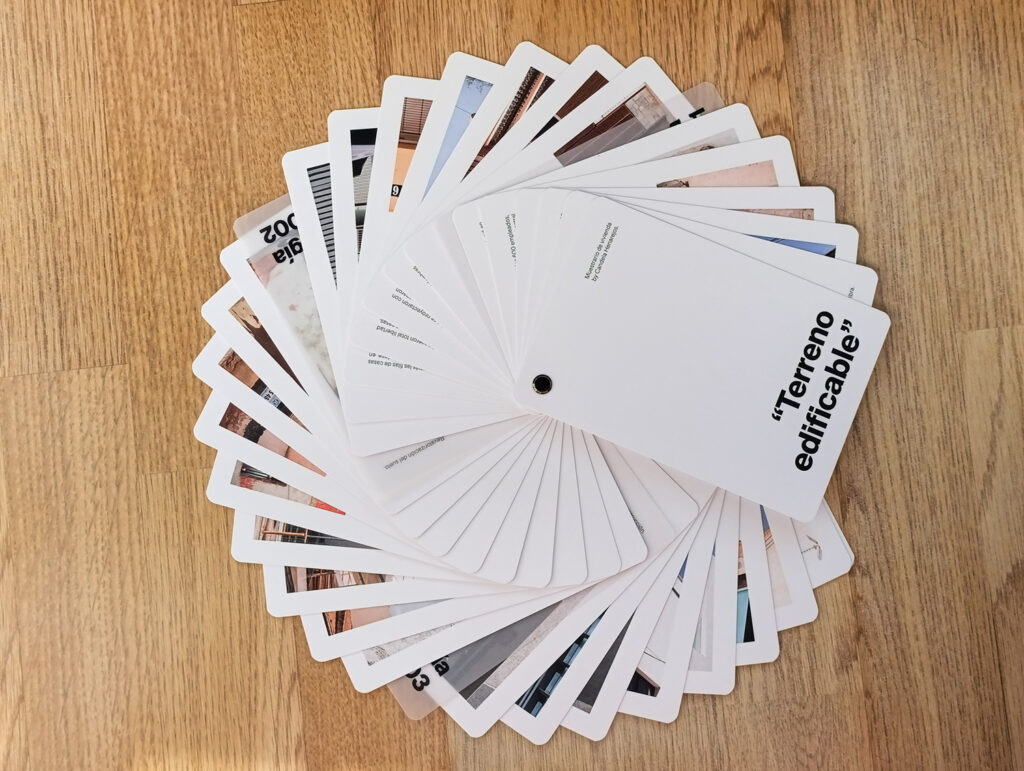
Terreno edificable tells the story of Alfombras Imperial and its connection with the development of Crevillent, where the industry shaped the lives of a large part of the population. The project focuses on the housing built for its workers and on the loss of a heritage that also forms part of the town’s collective memory.
Draw Your Future: Enrico Migotto
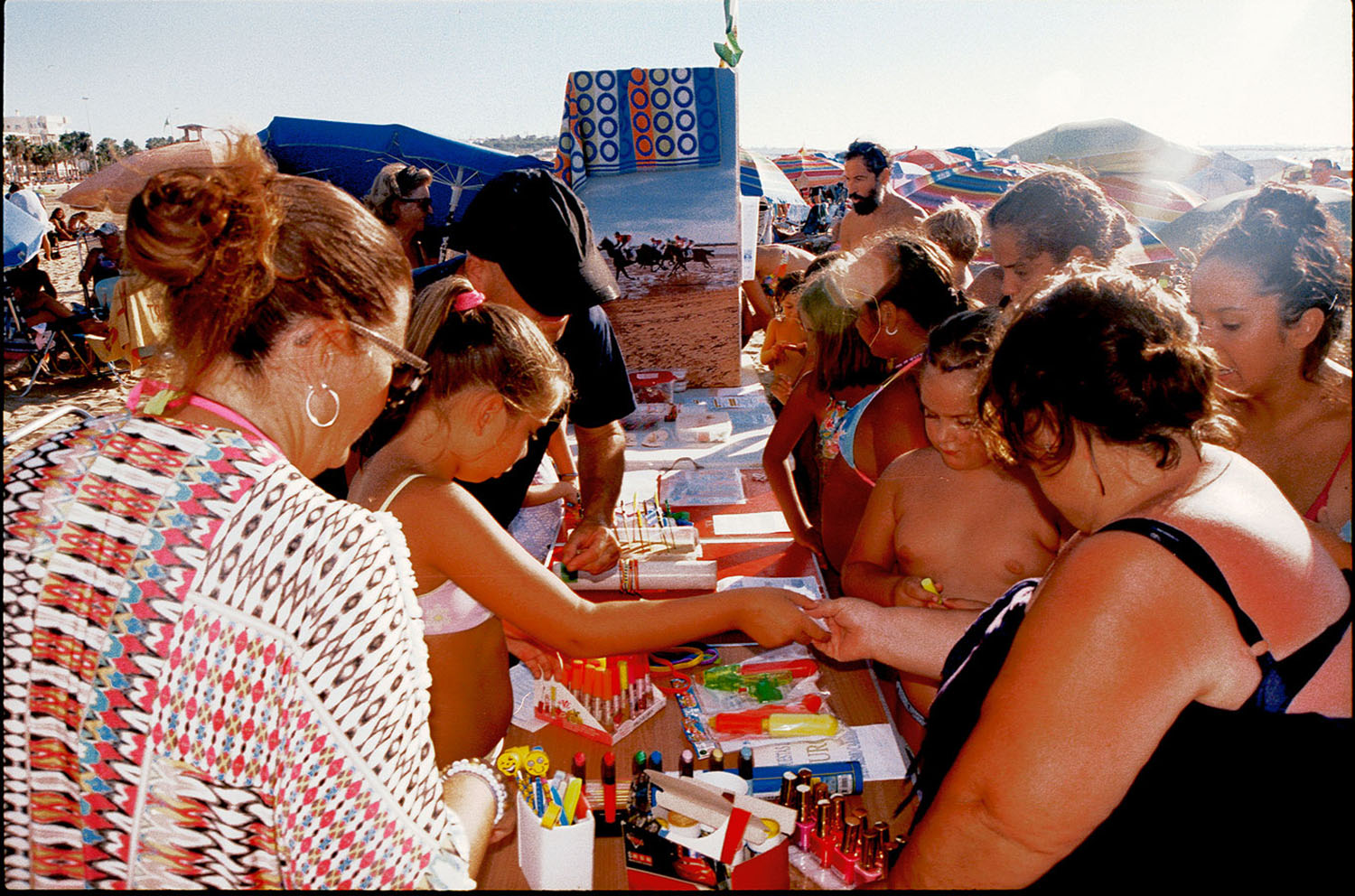
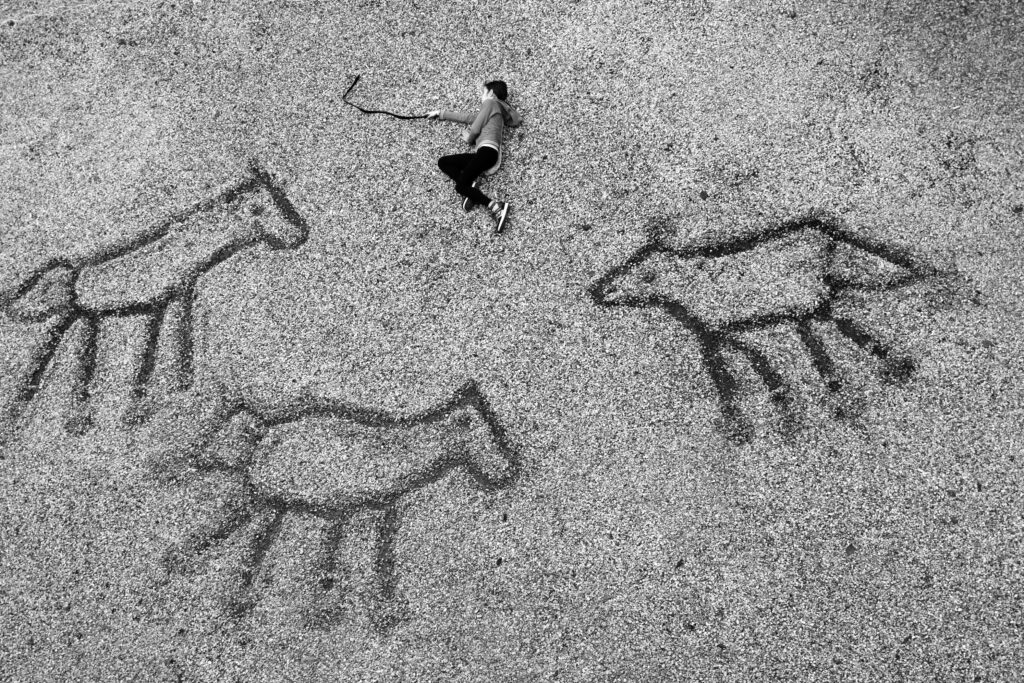
What do you want to be when you grow up? In Draw Your Future, Enrico Migotto asks children this question and invites them to draw their future. These drawings then become large-scale settings in which each participant can step into and be photographed, creating a series that brings together around 60 visions of the future from Italy, Denmark and Thailand.
Héroes del brillo (Shine heroes): Federico Estol
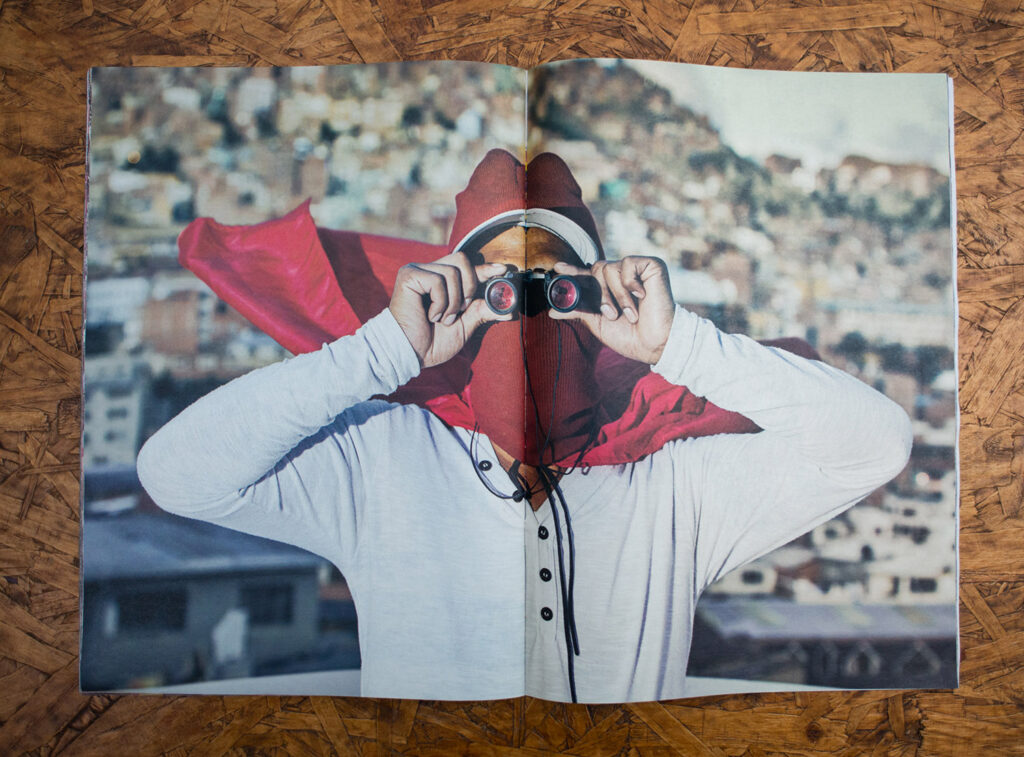
Héroes del brillo focuses on the shoeshine workers of La Paz and on the stories of those who work on the city’s streets. Through photography and the participation of those involved, Federico Estol creates a project that seeks to transform the way this group is perceived and to affirm their presence, identity and dignity.
La pérdida (The loss): George Ramos
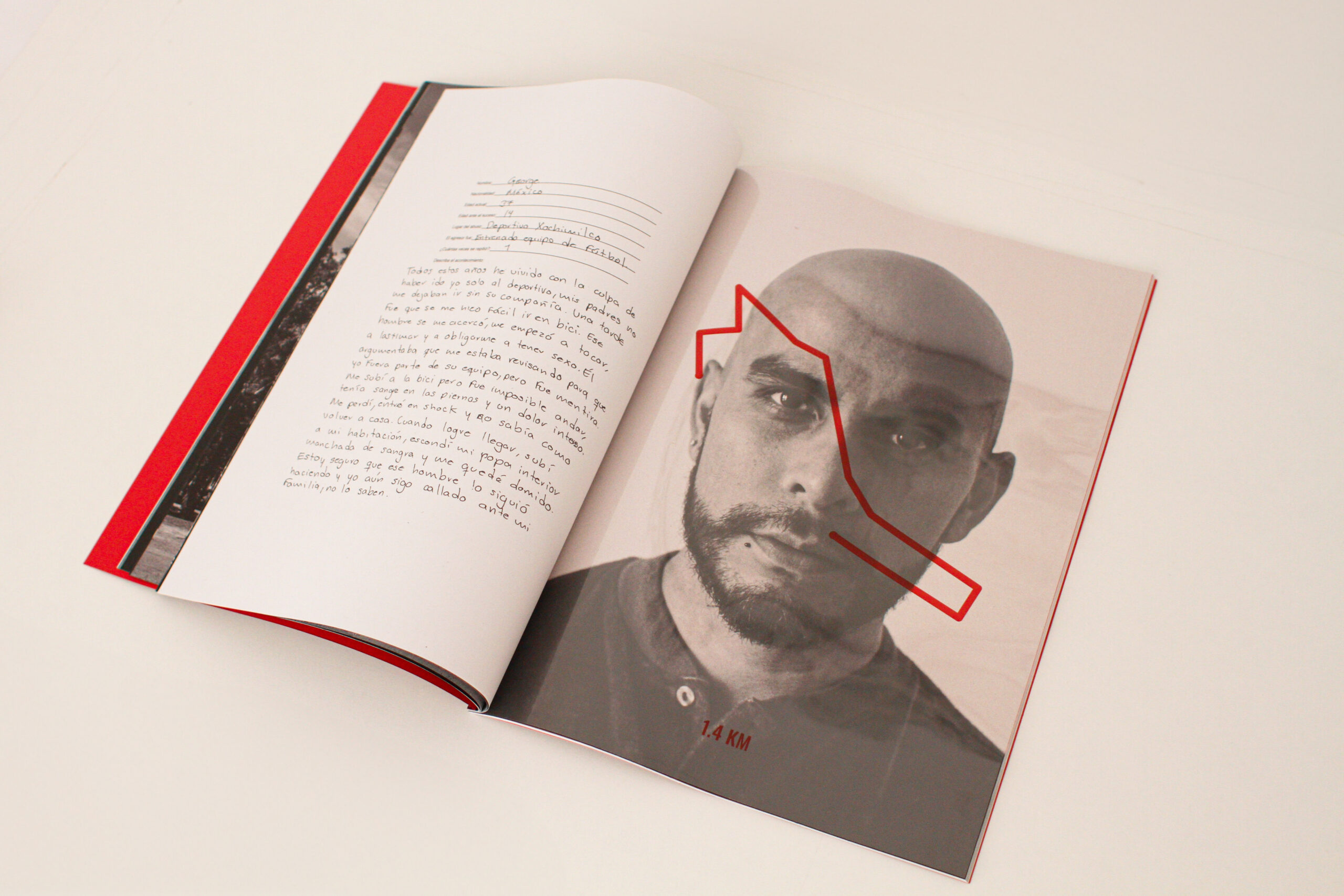
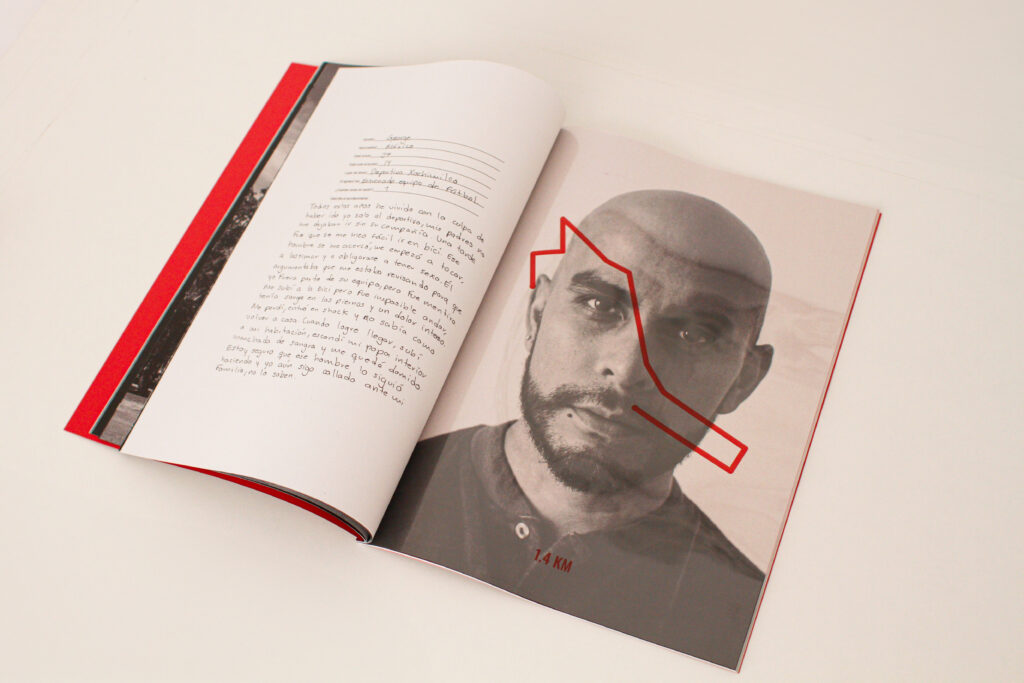
La pérdida is based on George Ramos’ personal experience after suffering a sexual assault when he was a teenager, with the aim of addressing sexual abuse inside the LGBTIQ+ community. The photobook combines portraits of survivors, testimonies and audio, which turn the publication into a space for remembrance, visibility and awareness.
Pancolono: JJ Guisado
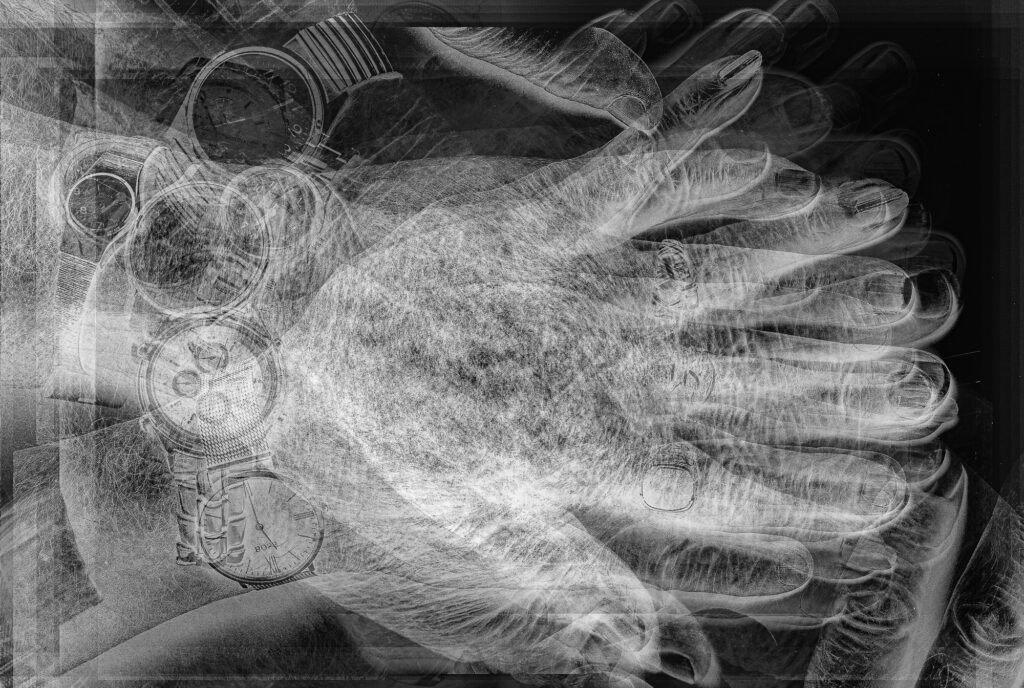
Pancolono explores the relationship between identity and territory through the memories of those who participated in the agricultural colonisation of the Vegas Altas del Guadiana region of Extremadura. It is a visual essay on the construction of an identity linked to a territory that has been created and transformed over time.
Territorio a cuatro caminos (Crossroads territory): Miguel Moya
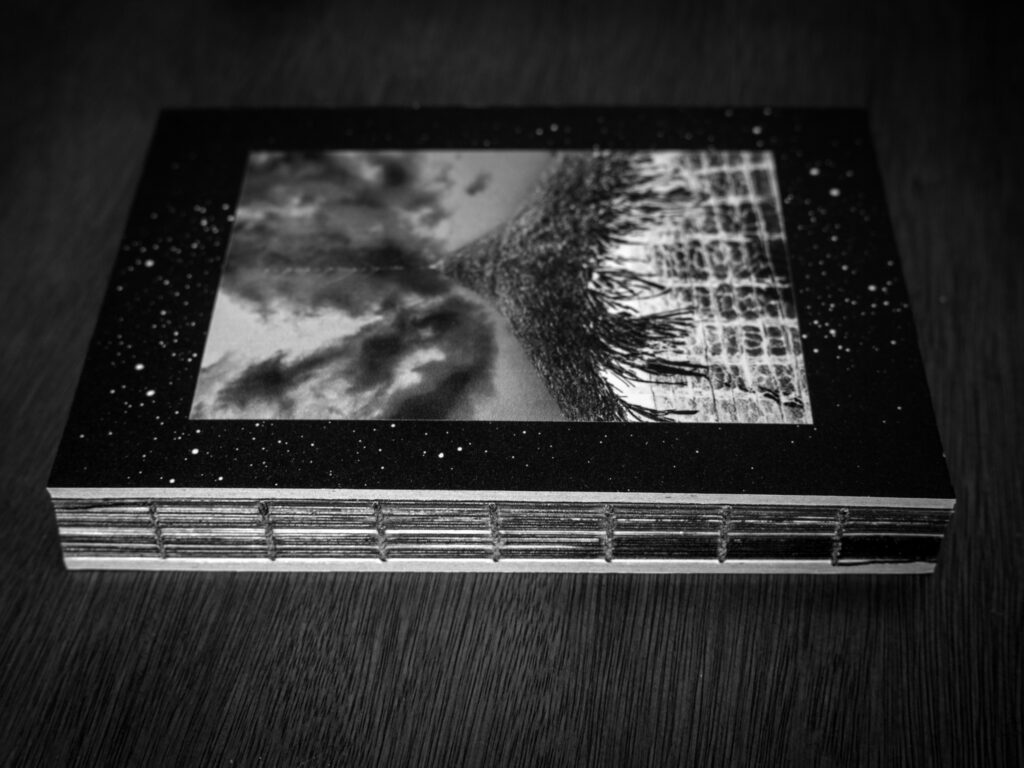
Territorio a cuatro caminos travels through various territories inhabited by Venezuela’s indigenous people to explore their ways of living and their relationship with nature. Portraits, landscapes and everyday scenes create a narrative about memory, community and knowledge passed on between generations.
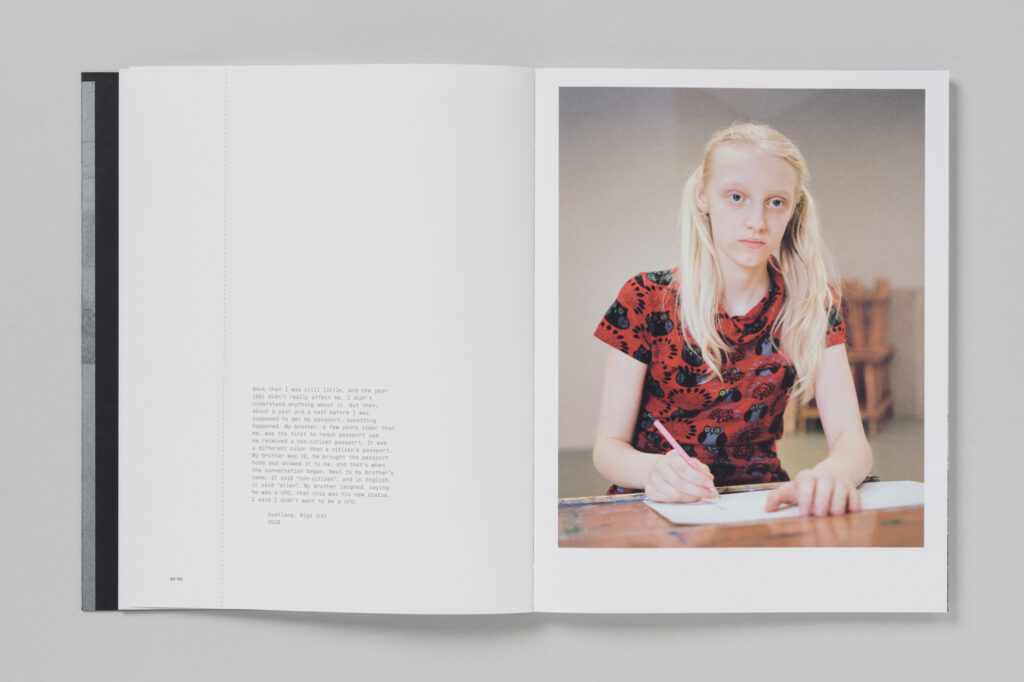
The Buzzer: Miguel Proença
The Buzzer looks into the identities and geopolitical tensions of the post-Soviet space, with a focus on Estonia, Latvia and Lithuania and their border with Russia. Photography, archive and research are used to explore how history, propaganda, national celebrations and contemporary conflicts continue to shape these territories.
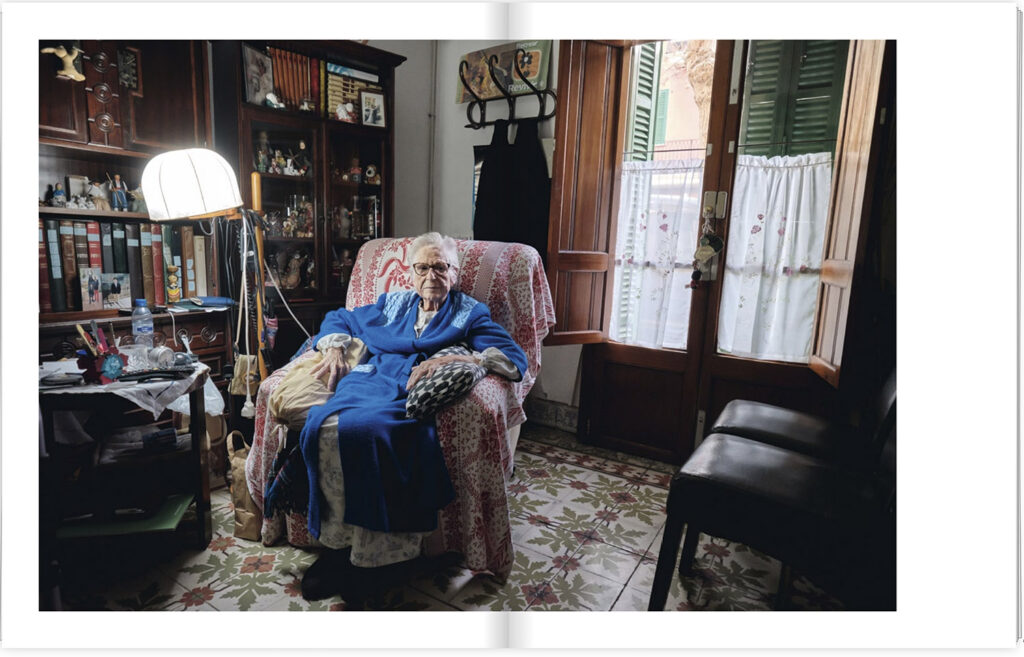
Arrabal (Suburb): Pep Pérez Castelló
Arrabal portrays seven elderly women who live on their own in the former suburb of Santa Catalina, in Palma, a neighbourhood that has deeply changed over the years. Through their everyday spaces and their testimonies, the project explores loneliness, memory and the persistence of lives that continue to form part of the neighbourhood.
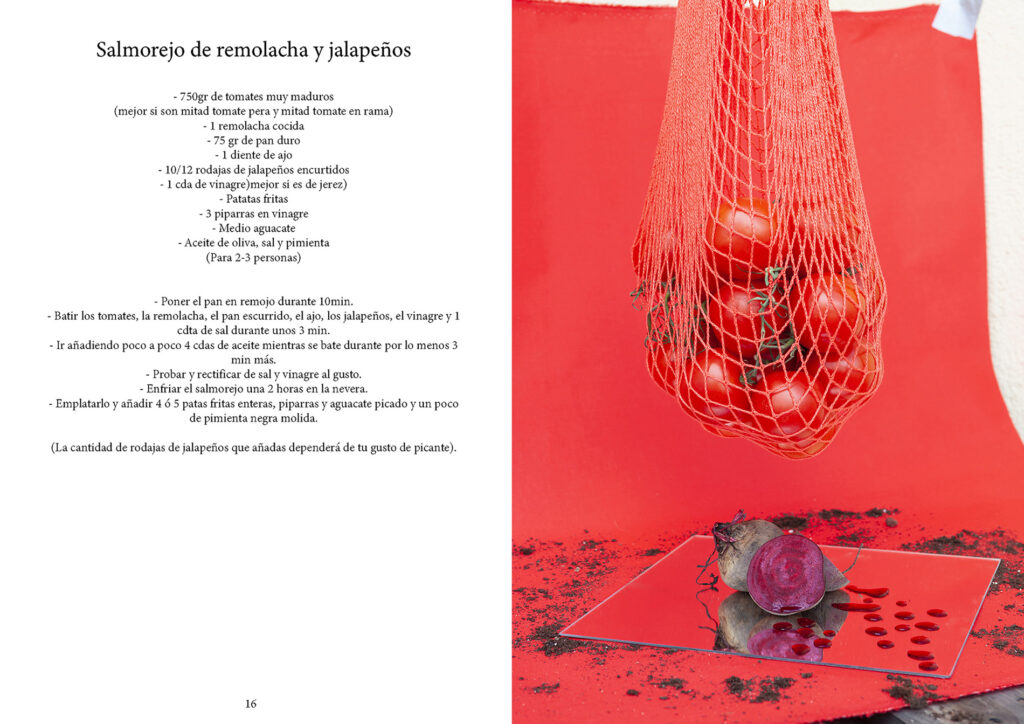
Tomate (Tomato): Sergio Aritmendiz
Tomate combines photography and cooking to reflect on the way we eat and its social, ethical and environmental implications. Through still lifes and recipes, the photobook offers an experience that invites us to question normalised habits and to imagine other ways of interacting with food and the planet.
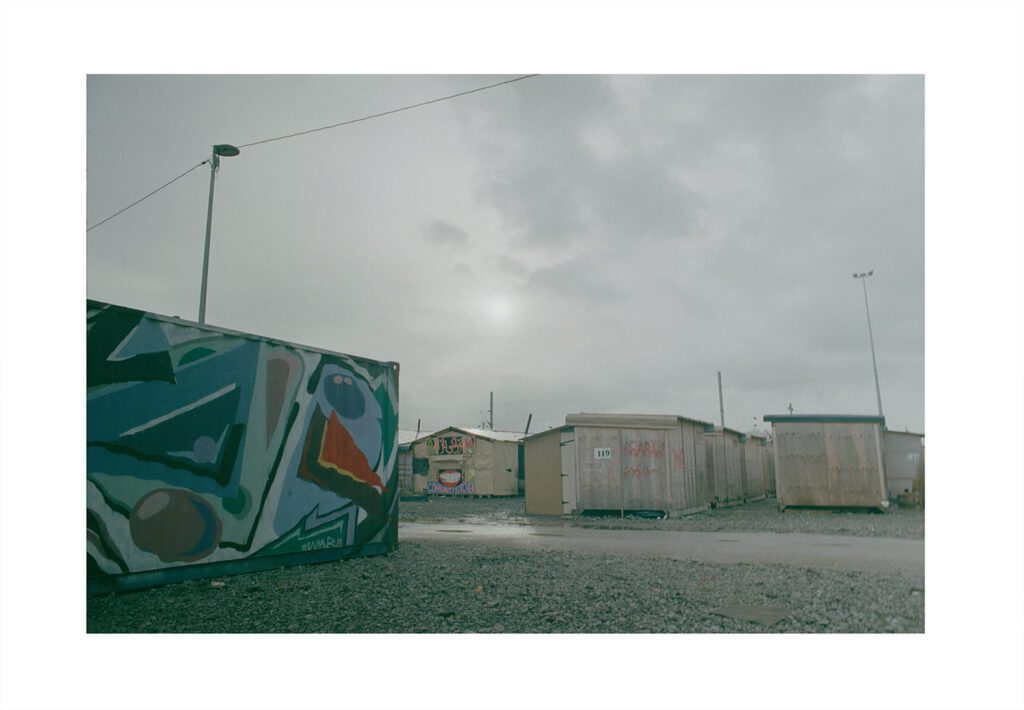
La Linière: Shyam Ganju
For four months, Shyam Ganju lived and worked as a volunteer at the La Linière refugee camp in northern France. The photobook compiles the photographs he took there, alongside interviews with the residents to create an intimate portrait of daily life, displacement and the experiences of those who passed through the camp.
Gypsy Witches: Silvia Prió
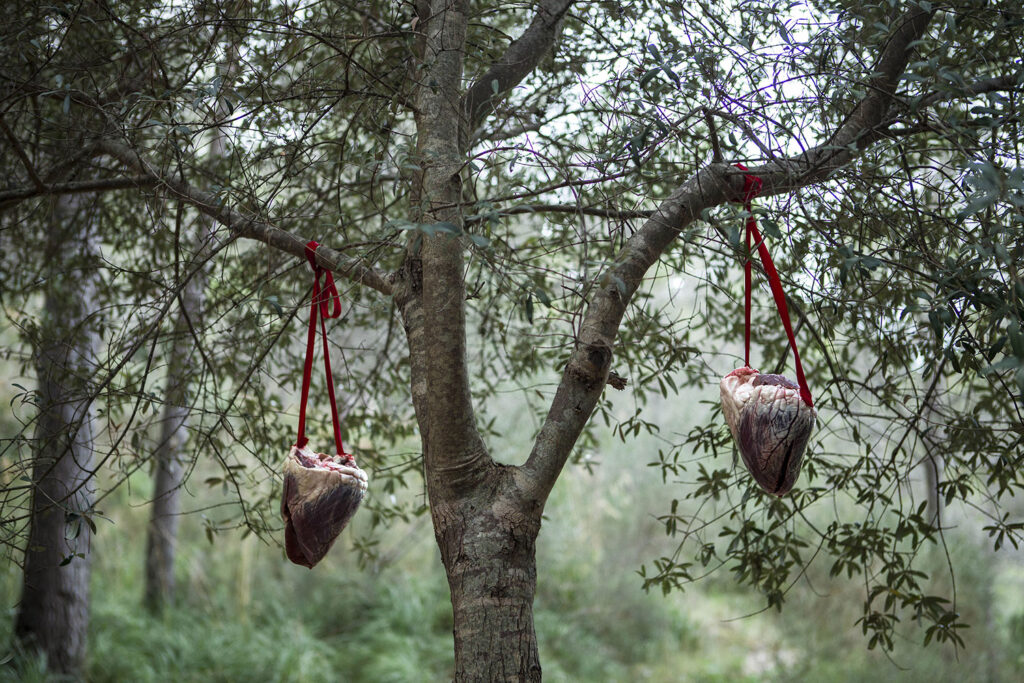
In Gypsy Witches, Silvia Prió approaches a gypsy community in Bucharest. She aims to learn about their customs and traditions, particularly those linked to women who practice spells, rituals and forms of divination. This combination of tradition and new media, folklore and smartphones, creates a portrait full of contrasts about identity, culture and encounters between worlds.
Inconclusive: Nerea Lakuntza
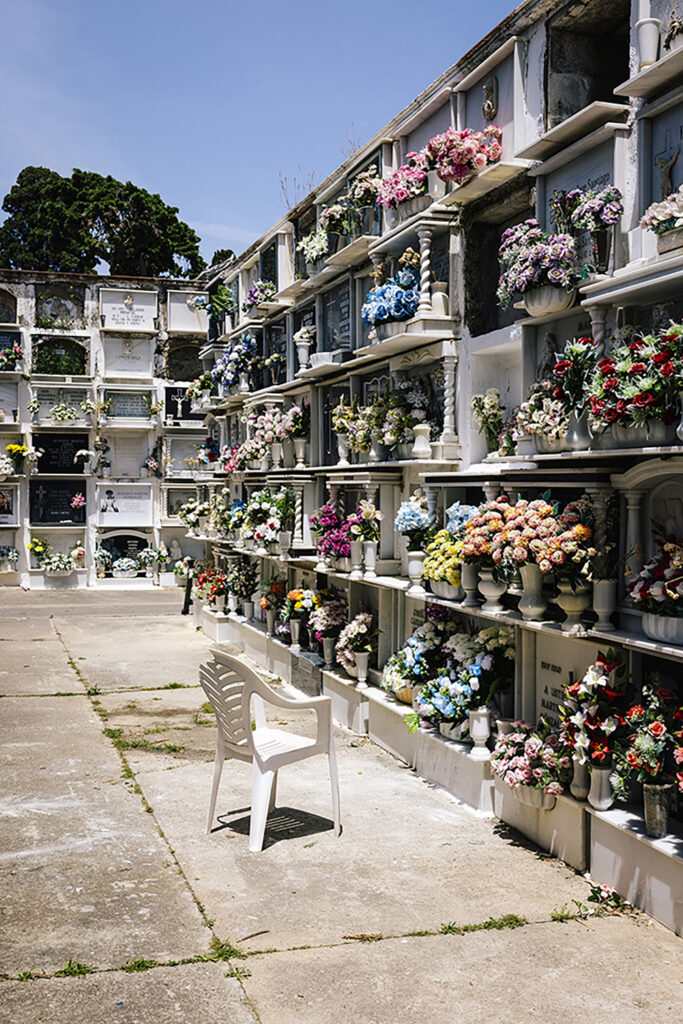
Thousands of families continue to search for answers about babies separated from their mothers and given up for adoption for decades in Spain. Inconclusive explores this story of absence and search through portraits, places and archives, examining the relationship between memory, identity and loss. The title comes from a word that appears in legal proceedings when there is insufficient evidence to continue an investigation: a word that also sums up a story which, for many families, remains unanswered.
These fifteen projects highlight the potential of the photobook to tell stories, research issues and spark conversations. From intimate stories to territories undergoing major transformations, Fotolibros por el Cambio brings together different ways of understanding the book as a living space for photography and for the stories it can share.