Find out more about the projects shortlisted for the Photography with Social Impact Award 2026
This year, four projects are being considered for the Photography With Social Impact Award. These projects, from very different perspectives and regions, use photography to address the stories and realities that shape our present.
The projects explore identity, memory, migration, violence, community and forms of resistance. In these works, the camera not only observes, but also becomes a tool for asking questions, remembering, understanding and, in some cases, reclaiming a place of one’s own.
Let’s take a closer look at the four selected projects:
Héroes del Brillo (Shine Heroes): Federico Estol
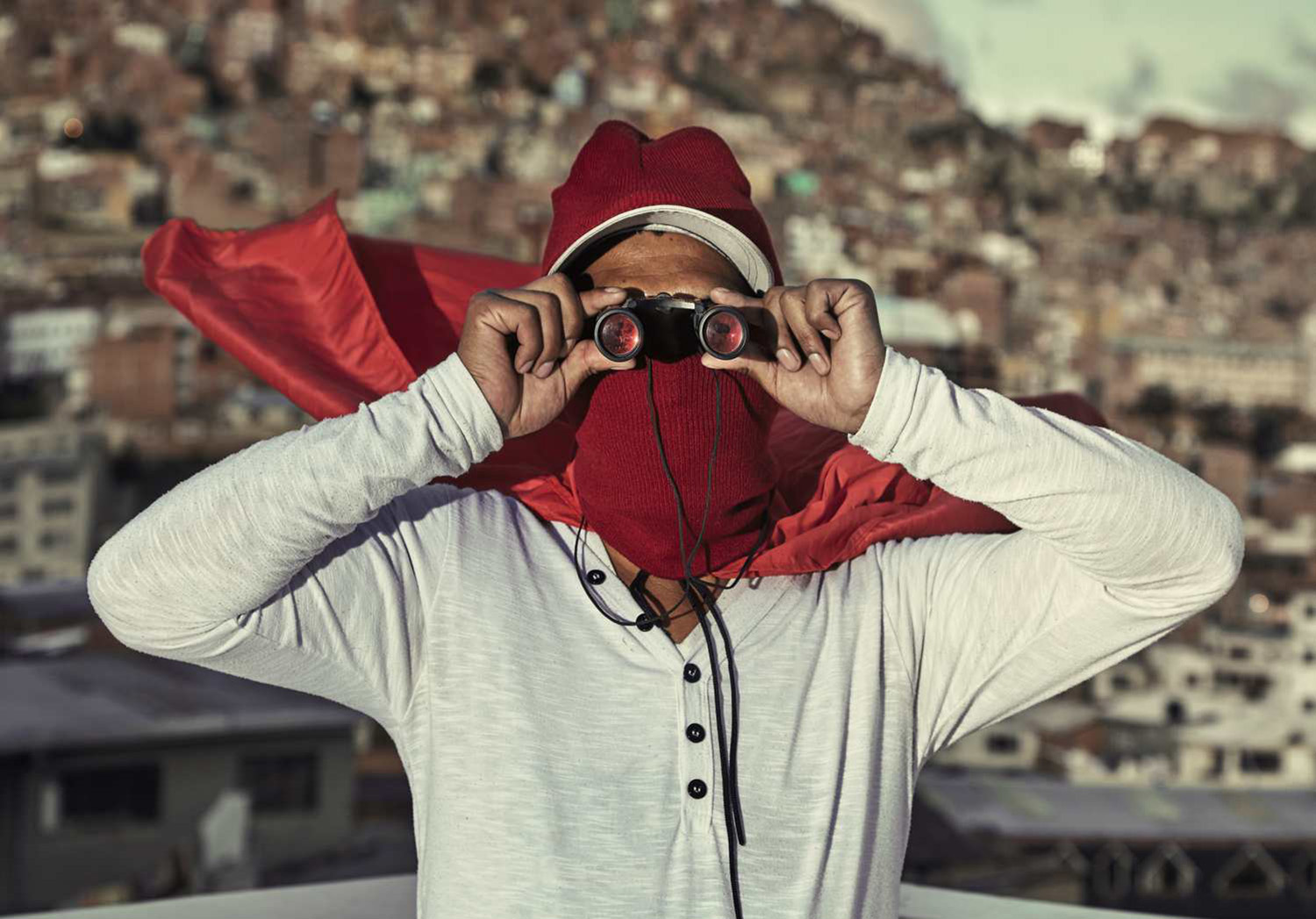
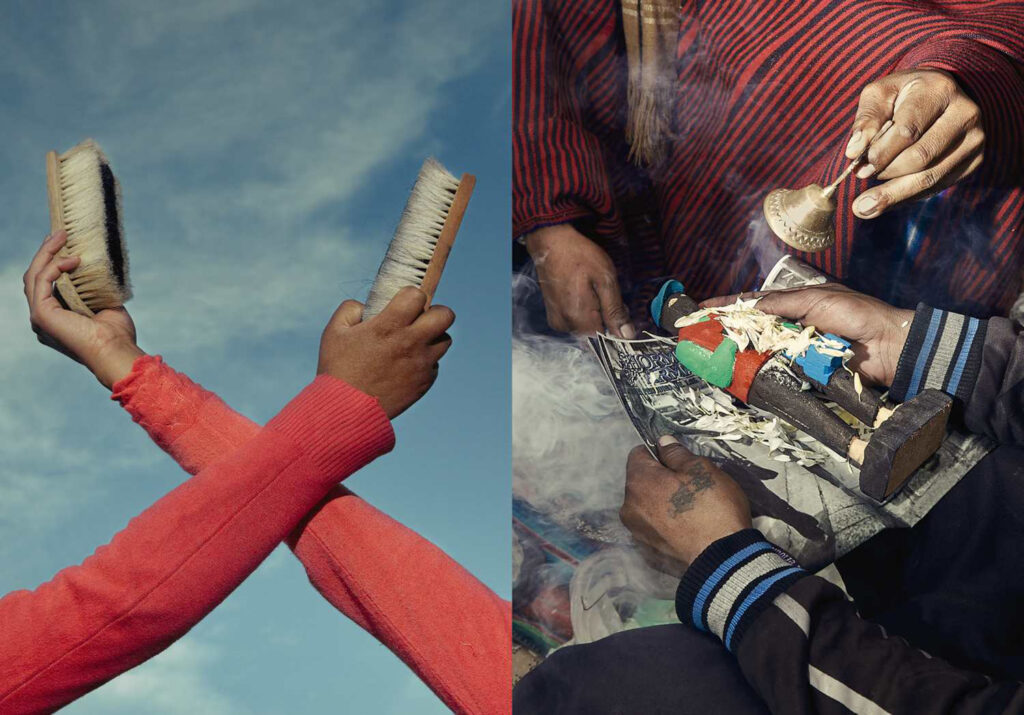
Every day, around 3,000 shoeshine workers go out onto the streets of La Paz and El Alto in search of customers. Among them are people of all ages, but they share something that has made them one of the most distinctive sights in the Bolivian capital: the balaclava.
In Héroes del Brillo, the mask is much more than just a way of hiding one’s face. It is a response to discrimination, a collective identity and, paradoxically, a way of making themselves visible. Many of these workers hide their trade from their families, classmates or those around them. Anonymity eventually becomes a space of belonging and resistance.
For six years, the project was conducted with sixty shoeshine workers associated with the street newspaper Hormigón Armado. Through participatory comic and storyboard workshops and collaborative photoshoots, the participants themselves became co-authors of a photobook designed to combat discrimination.
Héroes del Brillo thus offers a perspective shaped from within: a story about those who remain hidden and about how, at times, a mask can end up being precisely what unites and strengthens a community.
La Pérdida (The Loss): George Ramos
There are experiences that do not end once they have happened. They linger in the body, in the memory and in the places that hold them.
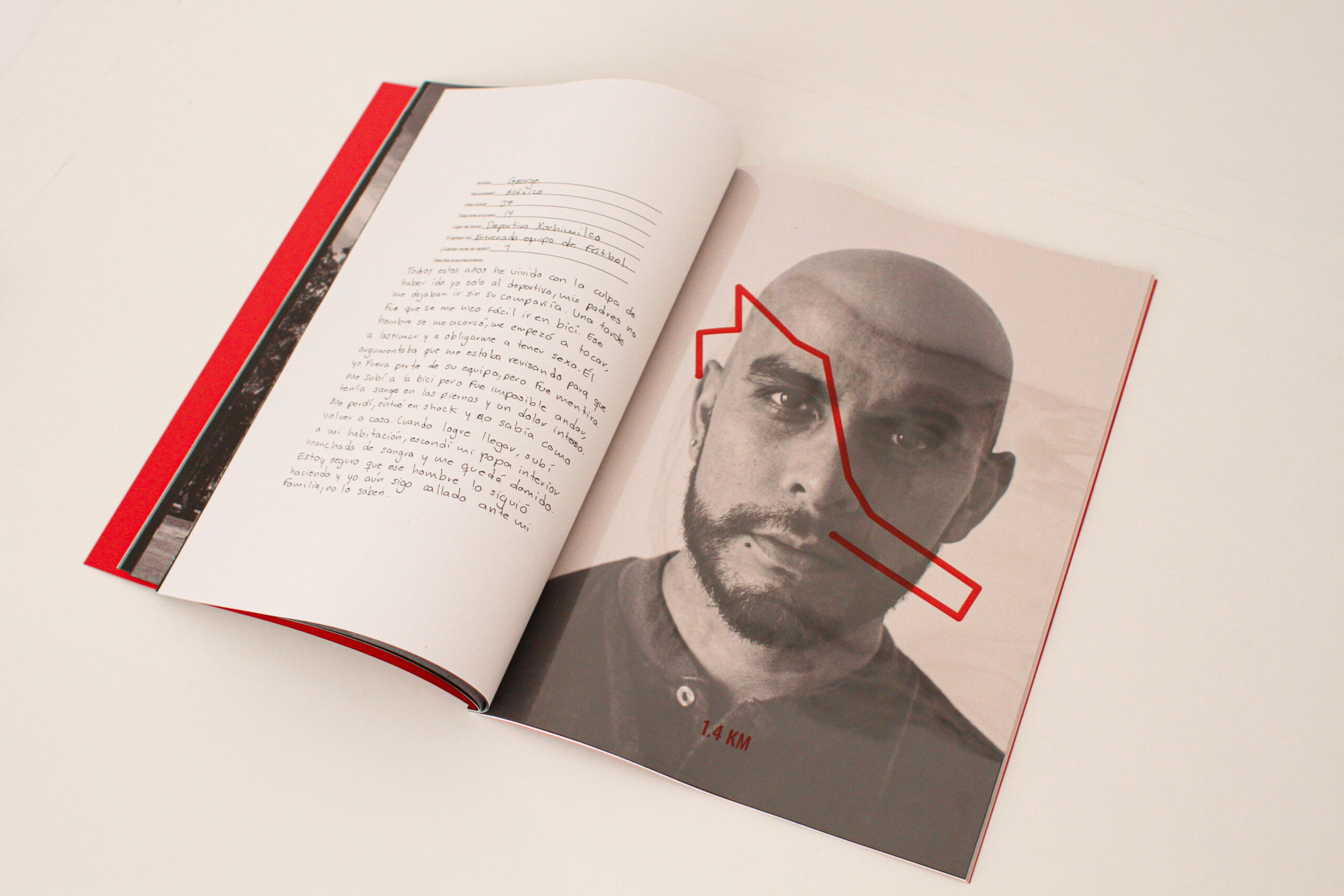
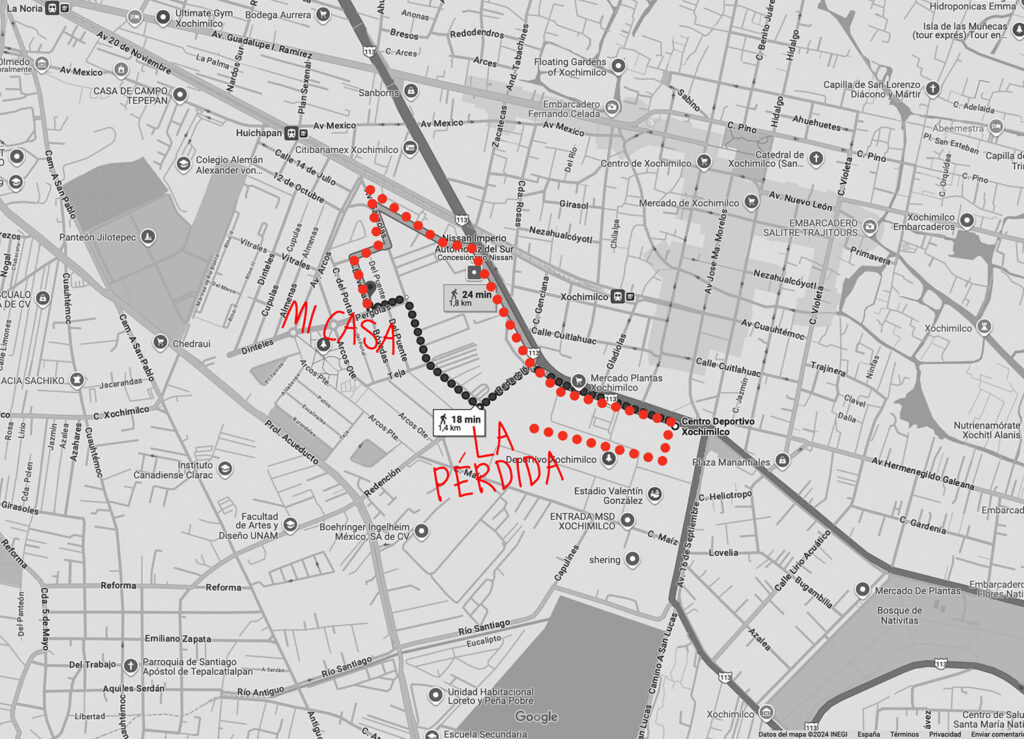
In La Pérdida, George Ramos returns to the place where he suffered a sexual assault when he was fourteen years old. Court 3 of the Deportivo Xochimilco, Mexico City, becomes the starting point for a personal exploration of trauma, fear and the invisible scars left by violence.
Photography is combined with altered Google Maps to create a unique cartography of pain. The routes, distances and places acquire an emotional dimension: that journey of barely fourteen minutes from his home becomes, over time, a much more difficult route to travel.
The project also explores other stories. Ramos interviews other men who have survived sexual abuse and finds that, whilst their experiences differ, they are all marked by similar silences. The masculine figure appears in his photographs as a ghostly presence, whilst the survivors’ voices reveal a reality that has remained hidden for far too long.
La Pérdida is both an intimate and collective project. It explores memory and trauma, but it is also an act of reclaiming one’s voice: to say, at last, “this happened to me”.
El Salto (The Leap): Jose Lorrüe
What does it imply to cross a border when you are still figuring yourself out?
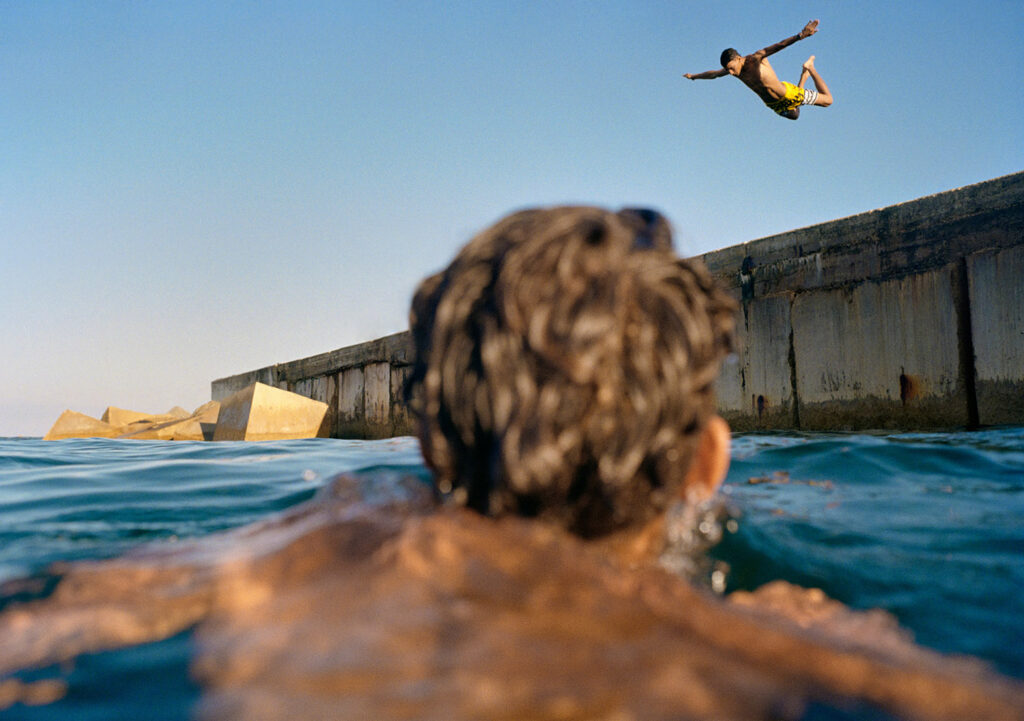
In El Salto, Jose Lorrüe uses the sea as a space of transition, desire and belonging. The project, a long-term collaboration with a group of young people in Barcelona and Morocco, reflects on their youth and migration experiences through an element both simple and powerful: the leap into the water.
The images combine everyday scenes with portraits taken in collaboration. In them, the act of jumping into the water embodies fear, desire, playfulness and liberation. It is an escape in the most literal sense: a body leaving one shore and heading towards another.
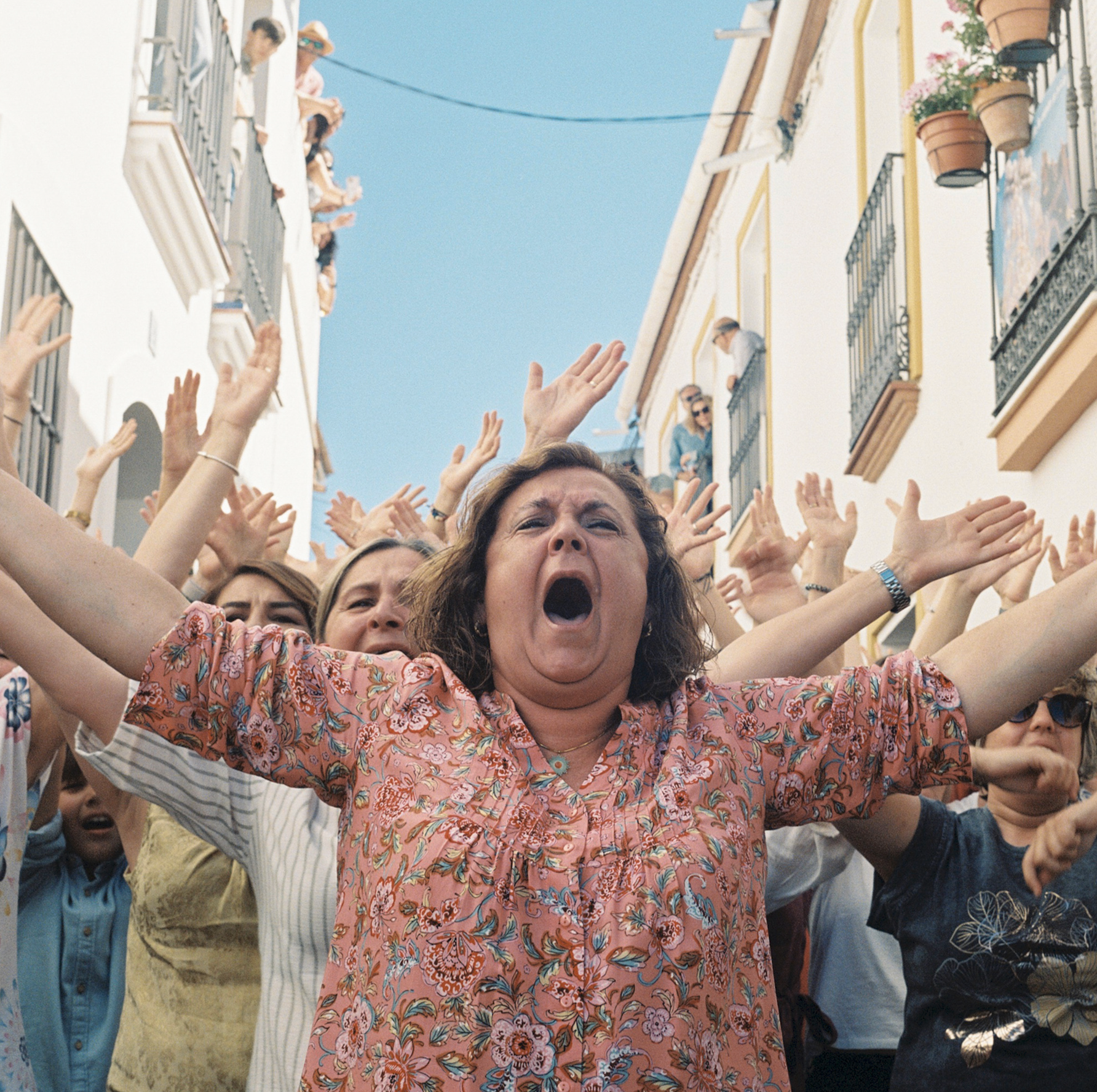
But that leap is also a collective one. It becomes a shared experience, a form of play and community and a physical representation of that moment when one crosses the boundary between what is left behind and what is sought.
Between two shores, El Salto explores youth, identity and belonging; and in water, it finds an open metaphor for reflecting on the desires and uncertainties of those who live between different places.
Beyond the Gallop: Philipp Treud
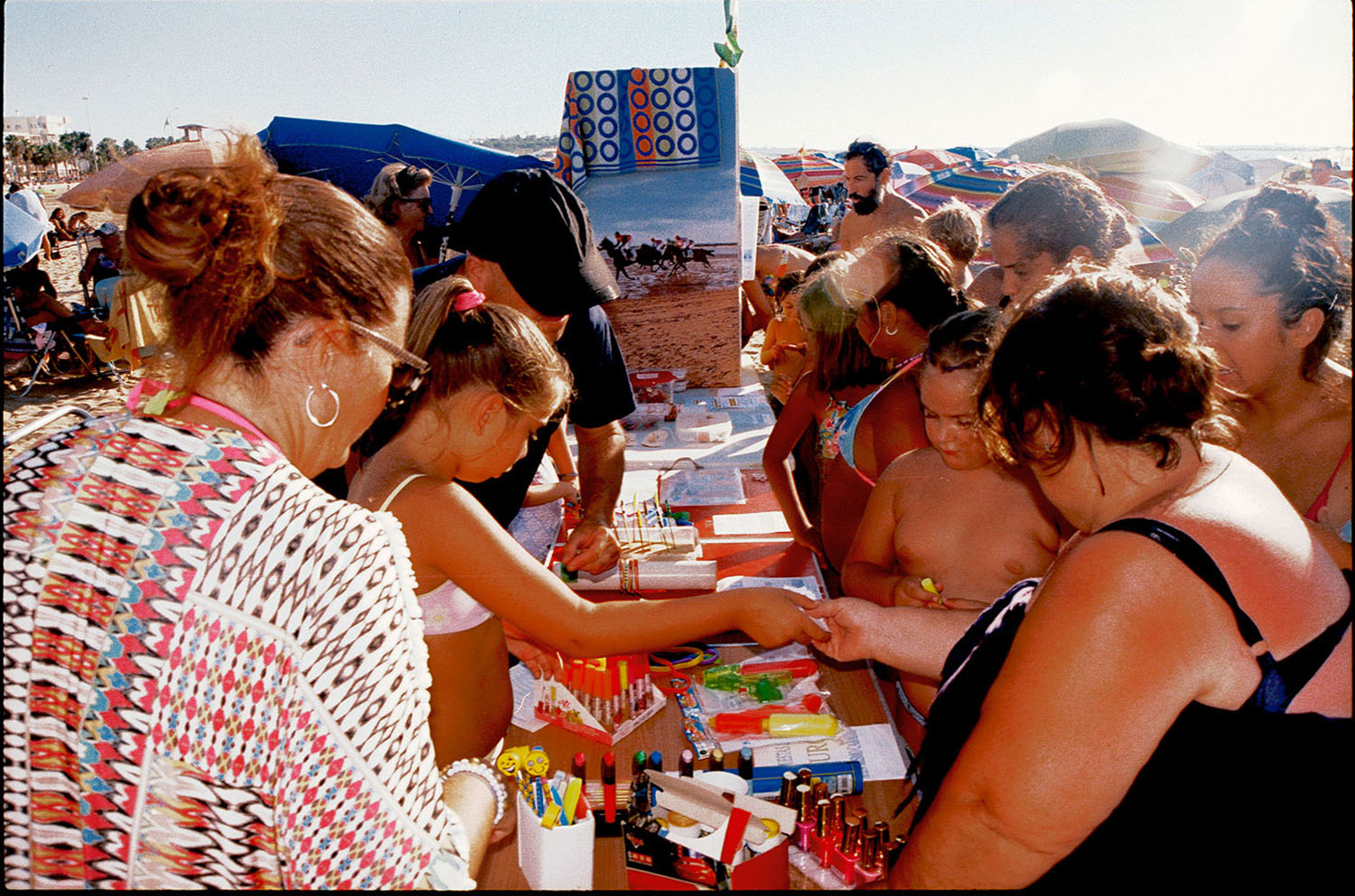
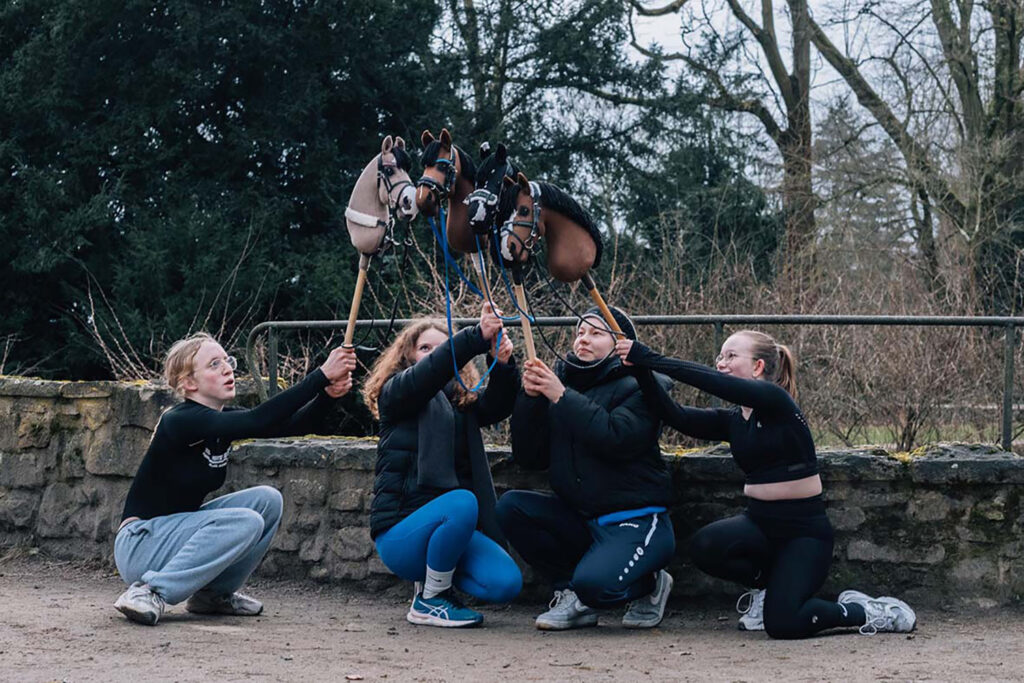
At first glance, it might seem like a game. However, behind hobby horsing lies a world of training, competition, discipline and community.
In Beyond the Gallop, Philipp Treudt dives into this contemporary youth culture, led mainly by young girls and women, to explore what happens when a shared passion becomes a way to build identity and empowerment.
Social media plays a key role. TikTok, Instagram and shared videos allow young people from different places to connect, train together, exchange knowledge and eventually meet up at competitions across Europe. That digital space then turns into real relationships, friendships and communities.
However, that space also has a more complex side. Alongside a mutual understanding and a sense of belonging, there is also mockery, hateful comments and sexualised reactions. The project examines why certain expressions of youth culture —especially those led by girls and young women— are ridiculed or not taken seriously.
Competitions, training sessions and private moments in Finland and Germany are captured trough photography and videos, showing hobby horsing from within. Not as a curiosity, but as a complex social universe built around friendship, discipline, personal self-expression and self-determination.
Four projects, four ways of observing and engaging with very different realities. In all of them, photography acts as a means of connection: with others, with memory, with the surroundings or with oneself.