

NEIGHBOURHOOD ENERGY
Participatory photography as a means to imagine and create community
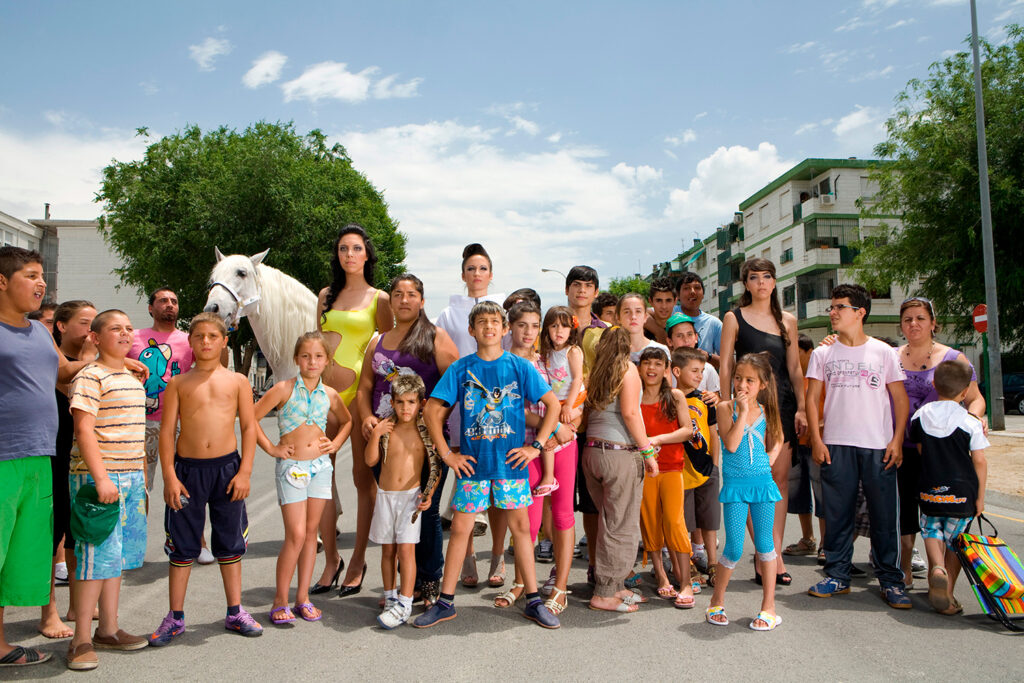
Energía de Barrio (Neighbourhood Energy) is a participatory photography project organised by Pa-ta-ta Festival, which uses photography as a tool to strengthen community ties, highlight the realities of Granada’s neighbourhoods and create spaces where citizens, culture and the local area can come together.
Through collaborative processes, we invite local residents, associations, schools, groups and social entities to put together visual stories about the issues that concern, define or inspire them. No prior knowledge of photography is required: what matters is the will to take part, share experiences and contribute to a collective creative process.
In each edition, the festival works with several of Granada’s districts in order to develop photography proposals that draw on the experiences, dreams, needs and challenges of those who inhabit them. These processes are assisted by Pa-ta-ta Festival’s mediation team and culminate in exhibitions, public activities and meeting spaces included in the official programme.
Additionally, the resultant proposals will be eligible for the Energía de Barrio Award, which recognises citizen participation, community involvement and creativity.
Energía de Barrio puts the focus on the use of photography as a tool for transformation and on the neighbourhoods as creative spaces for learning and collective creation.
organises

towards European capital of culture 2031

institutional partners



PA-TA-TA FESTIVAL HAS THE SPECIAL SUPPORT OF ALDEAS INCLUSIVA, FEGRADI, GRANADA HOY, ONCE, ONDACERO GRANADA, AND THE TEAMS AT INSELEC, NATURCLIMA, AND SERVINFORM, ENDESA SERVICE POINTS.
AND THE ACTIVE COLLABORATION OF THE STAFF AT THE CIVIC CENTERS, TEACHERS AND LEADERSHIP TEAMS OF THE EDUCATIONAL CENTERS AND THE ASSOCIATIONS AND RESIDENTS OF THE VARIOUS GRANADA DISTRICTS.
AS WELL AS THE TECHNICAL TEAMS FROM THE DEPARTMENTS OF CULTURES, PUBLIC SPACE USE, CITIZEN PARTICIPATION, MOBILITY AND URBAN AGENDA AND TOURISM OF THE GRANADA CITY COUNCIL, AND THE DELEGATIONS OF EQUALITY AND DEMOGRAPHIC CHALLENGE OF THE PROVINCIAL COUNCIL.