After-lunch Portfolio Reviews 2026: take a look at the selected projects
Once again, Visionados de Sobremesa (After-lunch Portfolio Reviews) focuses on new photographic narratives that come from personal experiences to address issues that affect us as a society. Memory, family, identity, territory, illness, faith, caregiving, and the passing on of knowledge feature in the ten projects selected for this edition.
Ten different works that invite us to look within ourselves, at our surroundings, and at stories that form part of our collective memory.
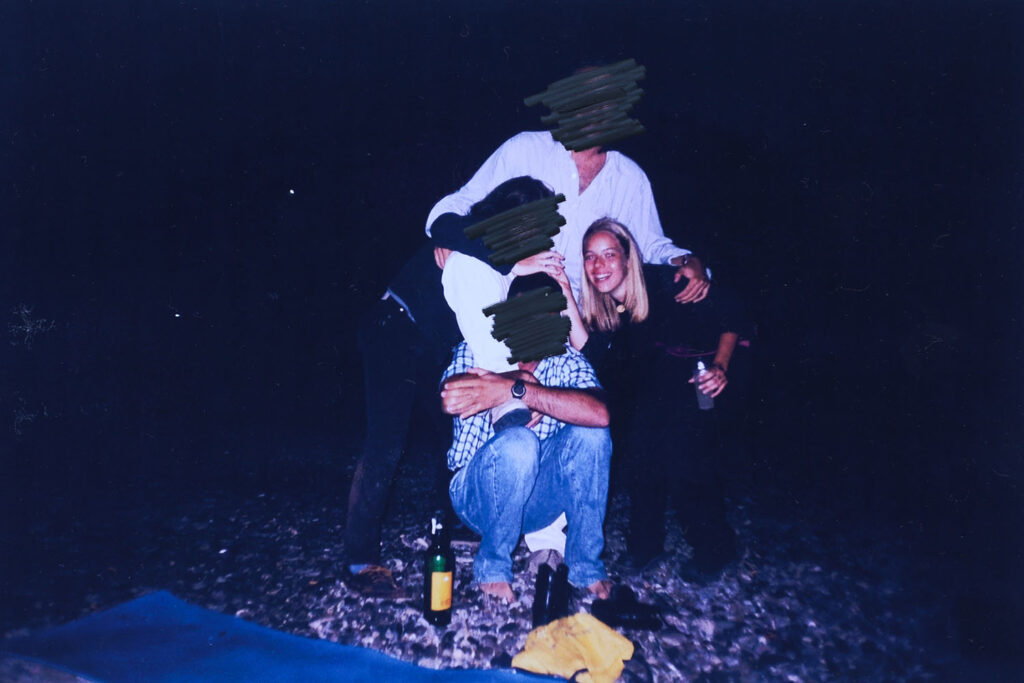
I hate my mother: Anne-Laure Kesteman
What happens when we look back on our childhood as adults? In I hate my mother, Anne-Laure Kesteman looks back at her journals and memories from her teenage years to reflect on her relationship with her mother, marked by alcoholism and medicine consumption. A visual diary that that builds on pain and questions to explore understanding and the personal experience of motherhood.
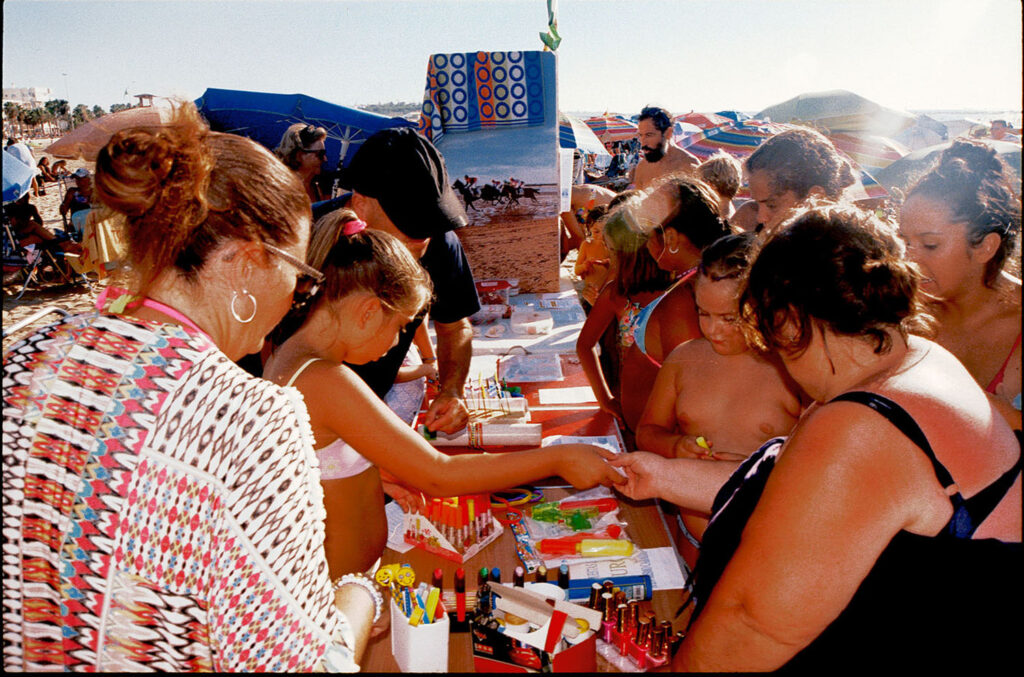
Leviatán (Leviathan): Cani Galán
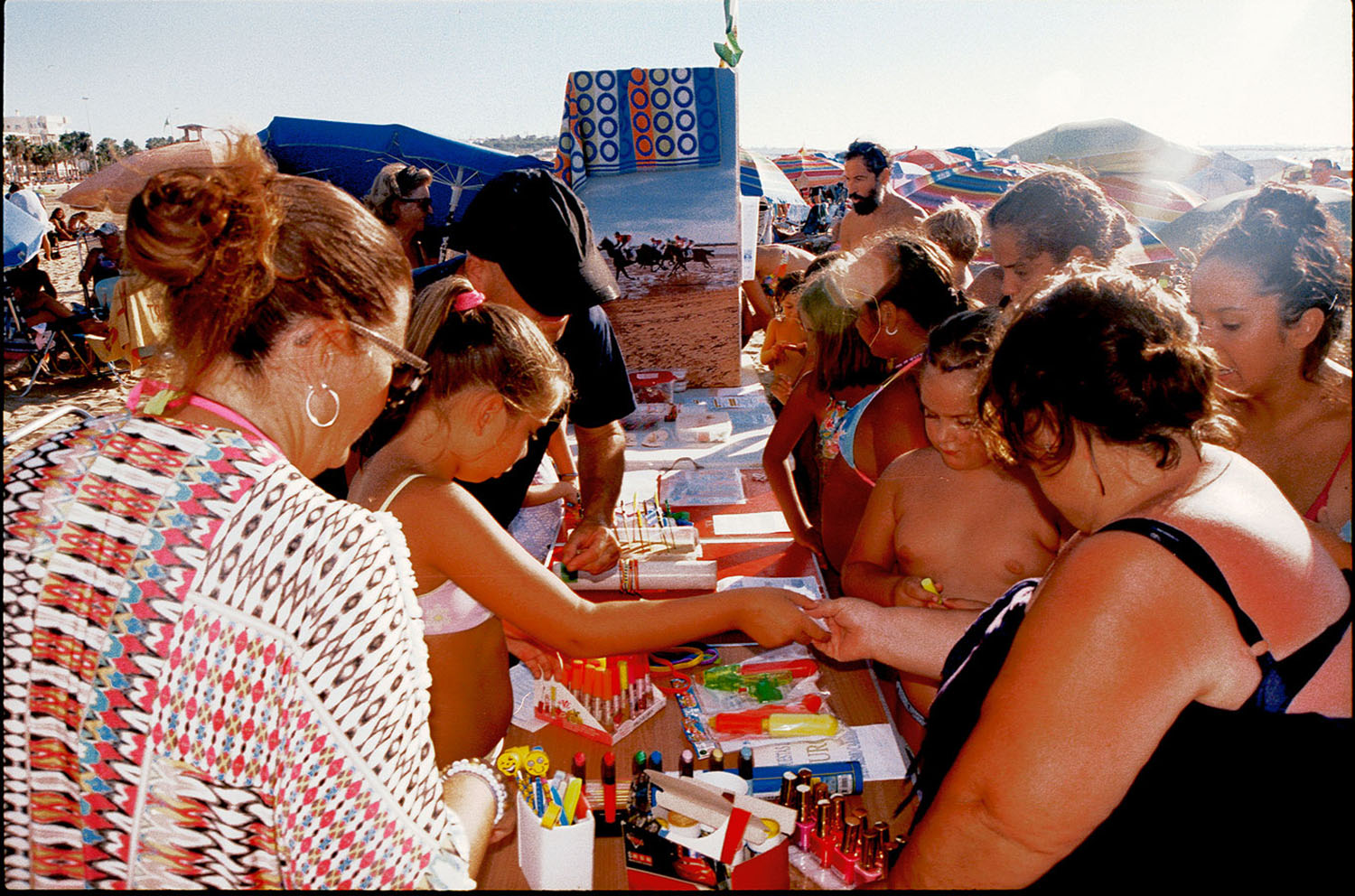
Can a place become a home even if we don’t remain there forever? Leviatán comes from Cani Galán’s relationship with Sanlúcar de Barrameda (Cadiz) and the search for that place we call home. An autobiographical series, still in progress, which explores belonging, absence and connections through analogic, everyday photography full of colour.
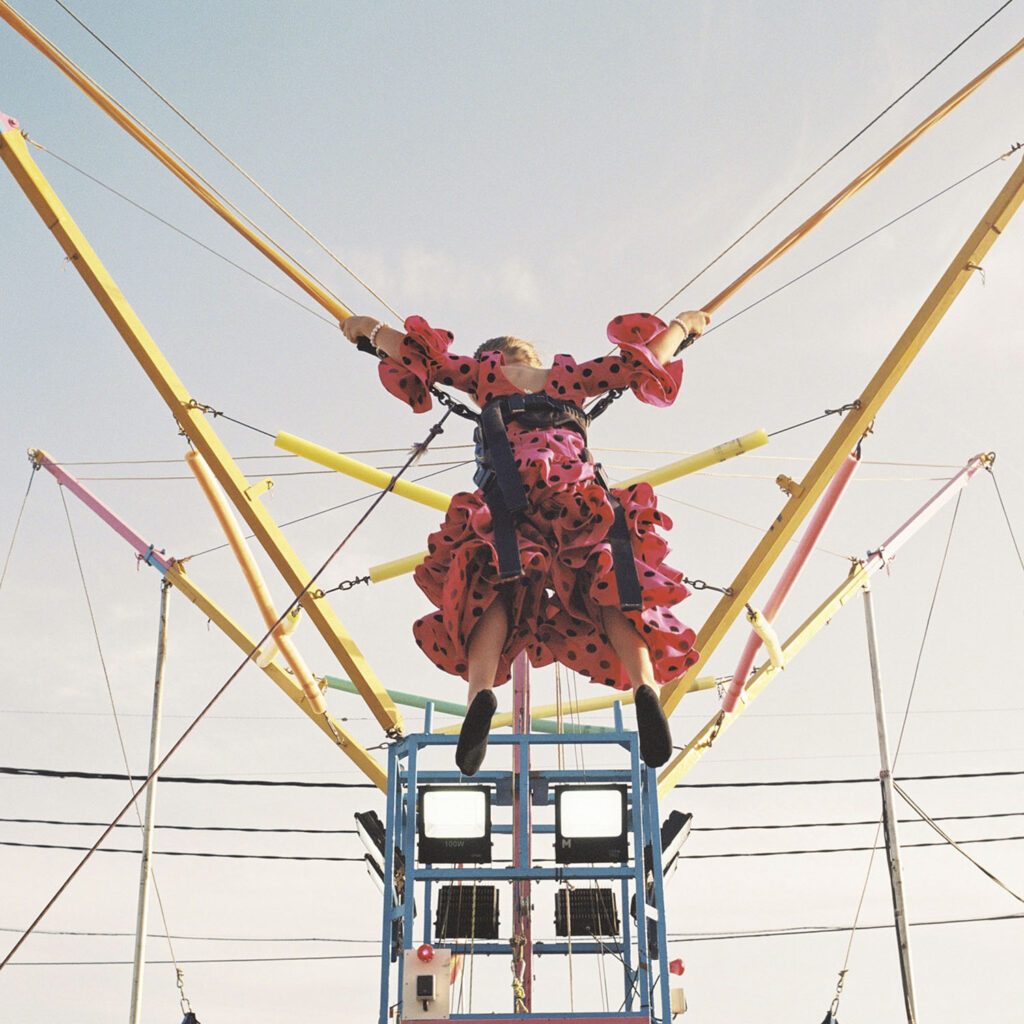
Clamor (Clamour): Carlos Sánchez Gómez
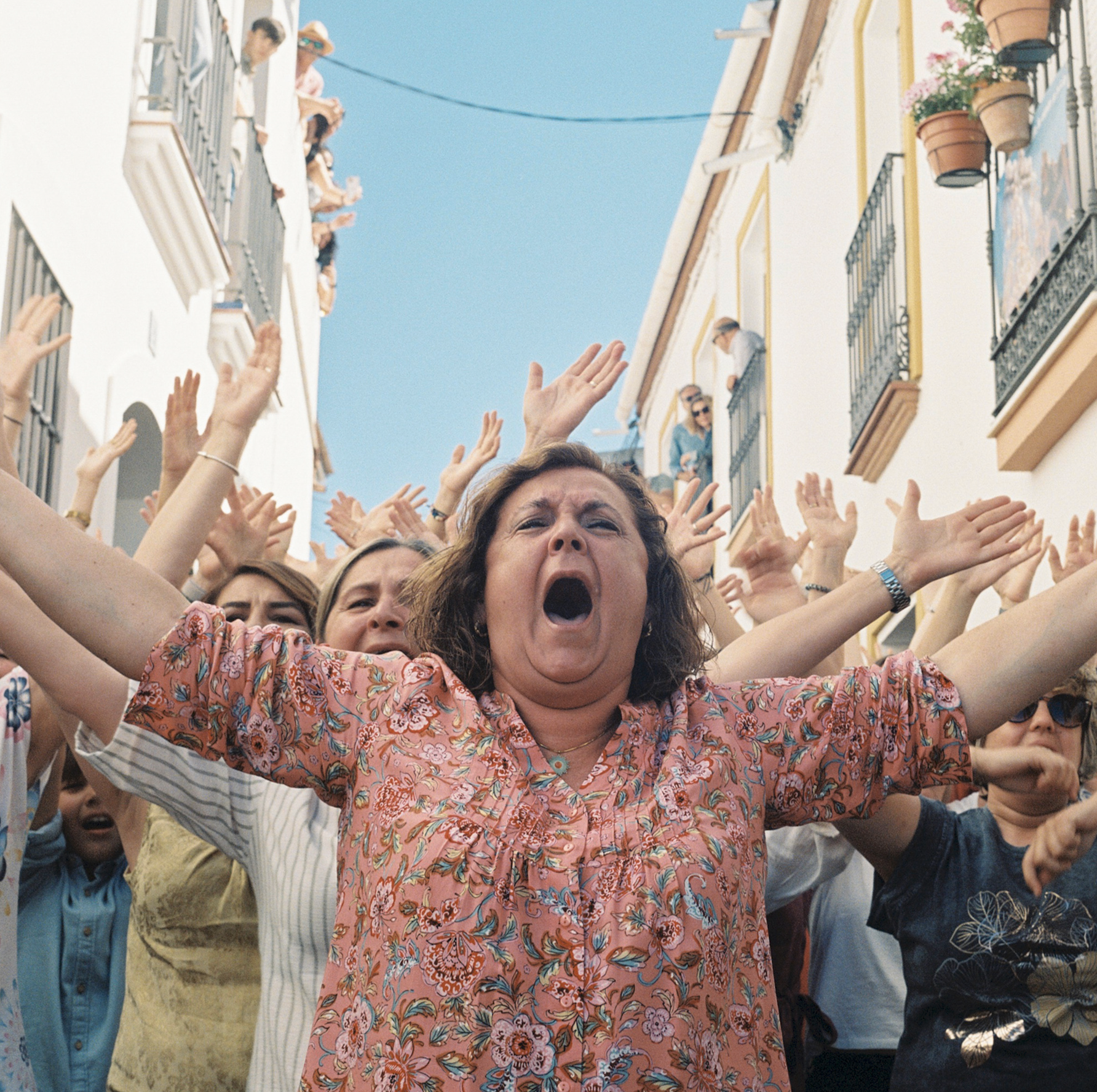
Clamor explores Andalusian folklore, looking beyond the usual images of popular religiosity. Carlos Sánchez Gómez sets out on a personal quest for identity and explores religious pilgrimages, celebrations and rituals as manifestations of a deeply human need: to celebrate, to belong, to transcend and to share. A look at the Andalusian soul through the lens of photography and anthropology.
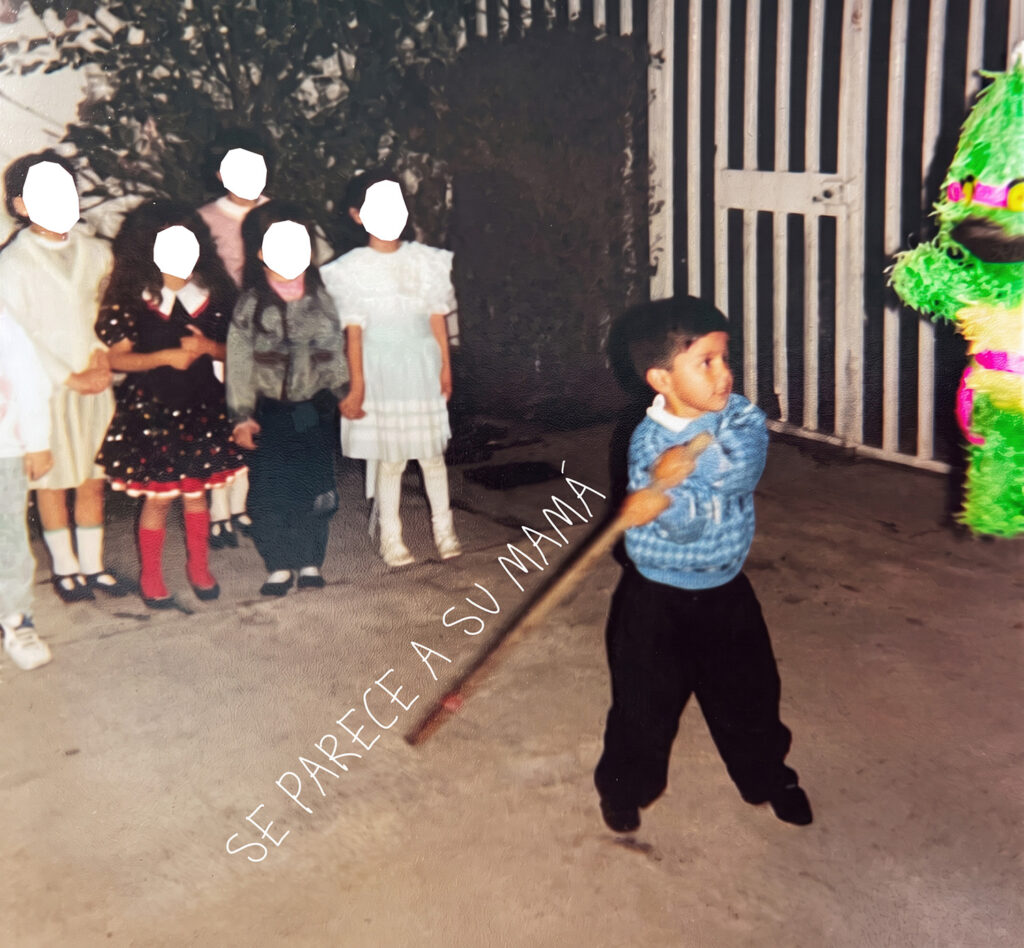
Niño tonto (Silly boy): George Ramos
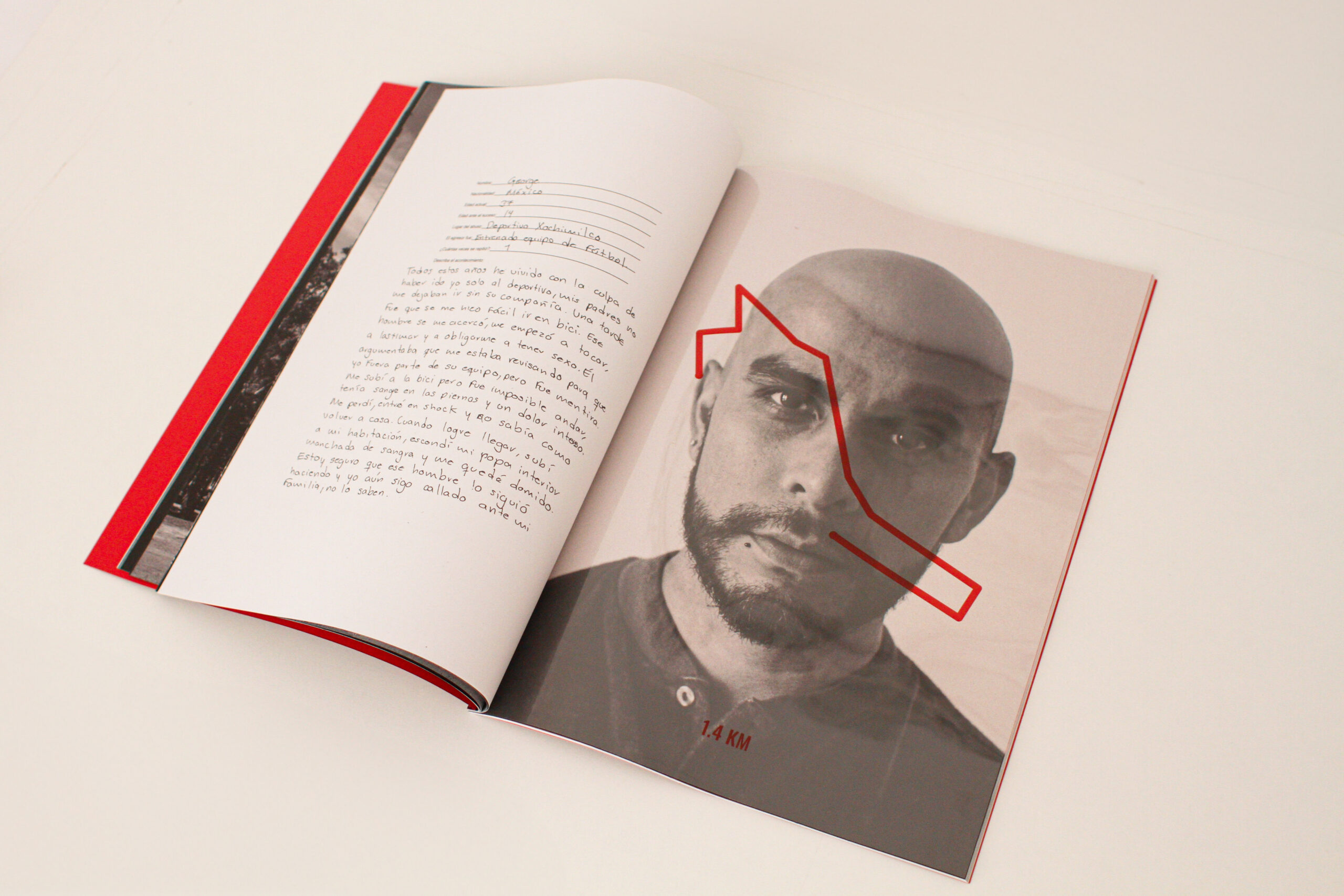
In Mexico, when a boy fails to break the piñata, everyone sings: ‘That boy is very silly, he’s just like his mom’. George Ramos brings back this song and his own childhood memories to talk about masculinity, rejection, and the ways in which we learn to inhabit our bodies. Niño tonto combines archive photographs, new images, sound and installation, turning the piñata into a symbol of a memory that can be painful, but which can also be broken and celebrated once more.
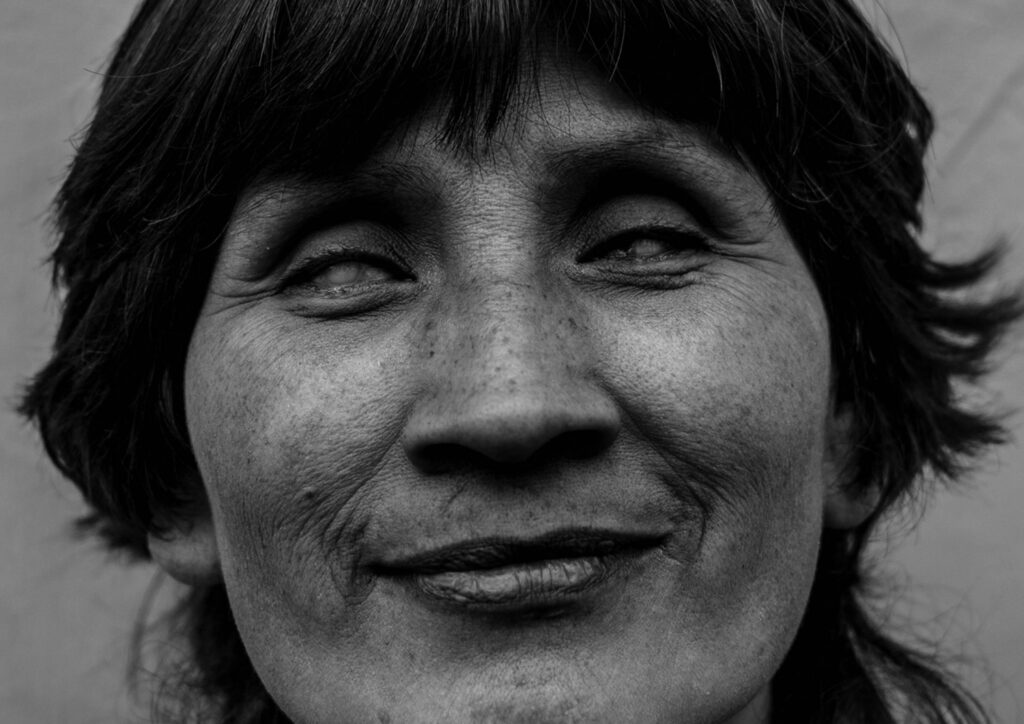
Si el sol llegara a oscurecer, y no brille más (If the sun were to go dark, and shine no more): Joseph Ladrón de Guevara
The story of Julia, Joseph Ladrón de Guevara’s grandmother, runs through this project. After being diagnosed with cancer, she decided not to get treated, convinced that her God would heal her. Si el sol llegara a oscurecer, y no brille más comes from the questions raised by her decision and the moments of hope that accompanied her illness. A photographic elegy about faith, love, loss and the way in which our beliefs can accompany life and death.
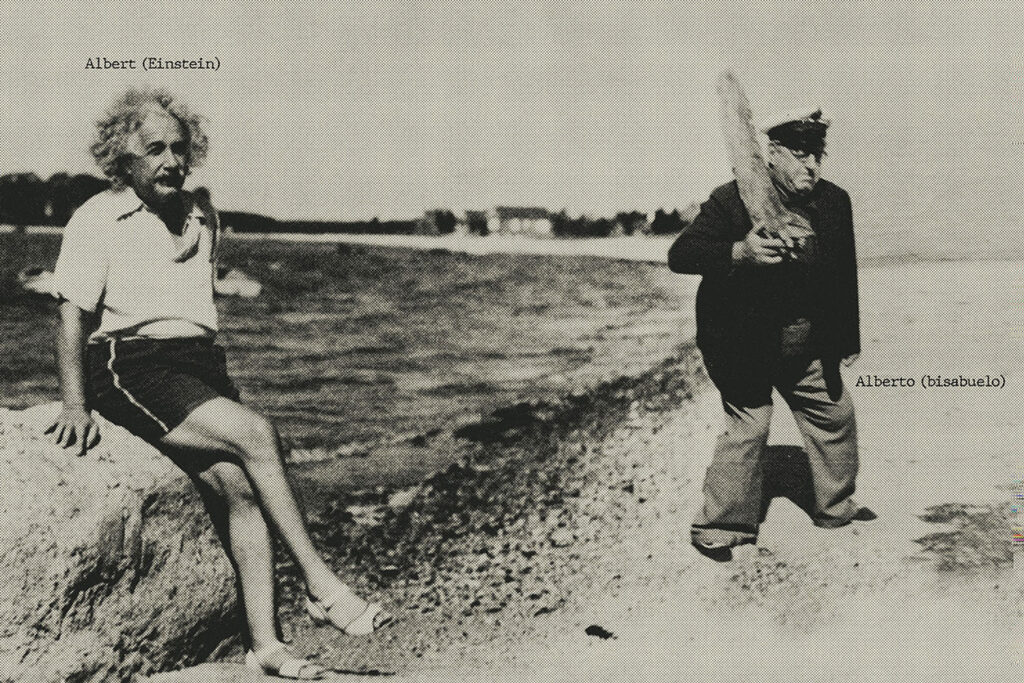
La teoría de mis Albertos (My Albertos’ theory): Lucía Morón
Albert Einstein met Lucía Morón’s great-grandfather. That encounter becomes a starting point for La teoría de mis Albertos, in which the various ‘Albertos’ from her family and professional history begin to interact with each other. Self-portraits, archive photographs and modified scientific images create a space of connection through which to explore family legacies, work and women’s place in the working world.
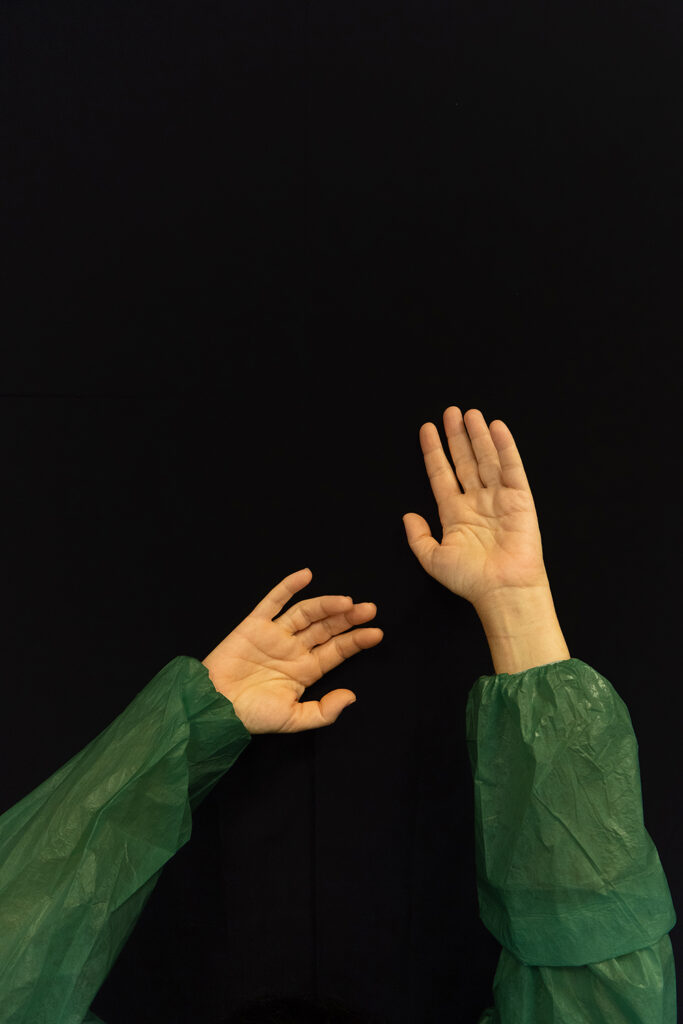
Espiral (Spiral): María Torija
Espiral was born out from a first-hand experience: breast cancer. María Torija transforms her own body in a landscape and a map of the traces left by the disease, following the journey from diagnosis to recovery. The images establish a dialogue between skin, plants and the territory; and they explore physical and emotional wounds, treatments and that ‘other place’ to which, as Susan Sontag wrote, we may all be forced to travel.
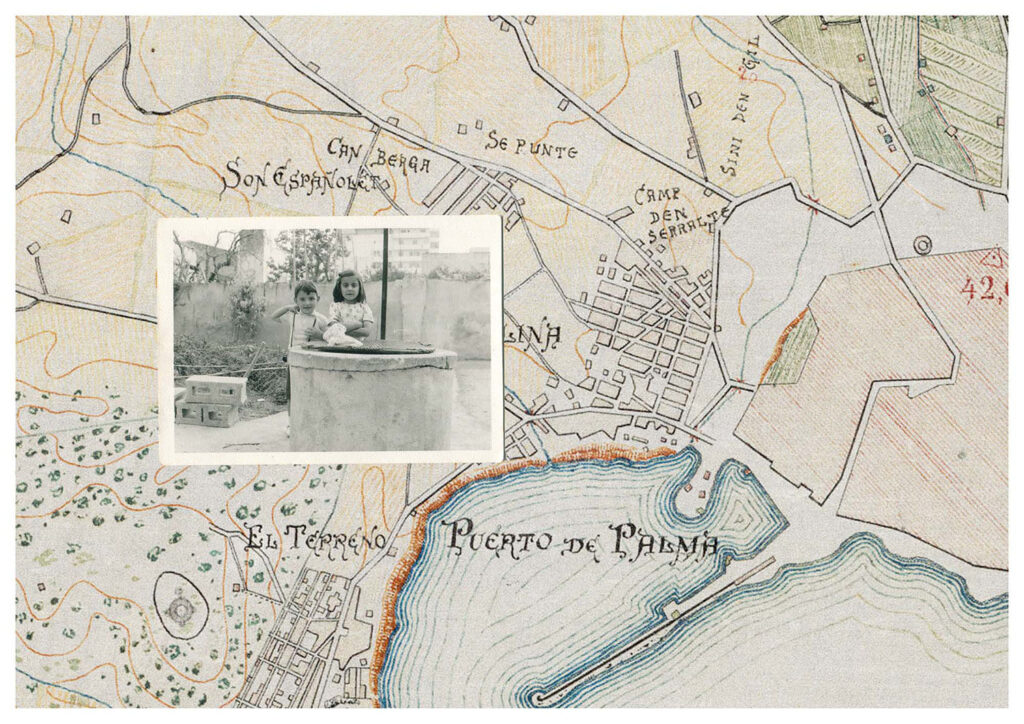
Elegía para una casa (Elegy for a house): Maya Valencia Arbona
With the passing of her grandmother Francisca, the care network present in her family home over generations also came to an end. Not long after, the house was sold and demolished. In Elegía para una casa, Maya Valencia Arbona pieces together this story using the family photo album, documentary photographs, real estate flyers, and materials provided by neighbours. The house thus becomes the starting point for a dialogue on care, memory and the transformations of a neighbourhood marked by property speculation and real estate pressure.
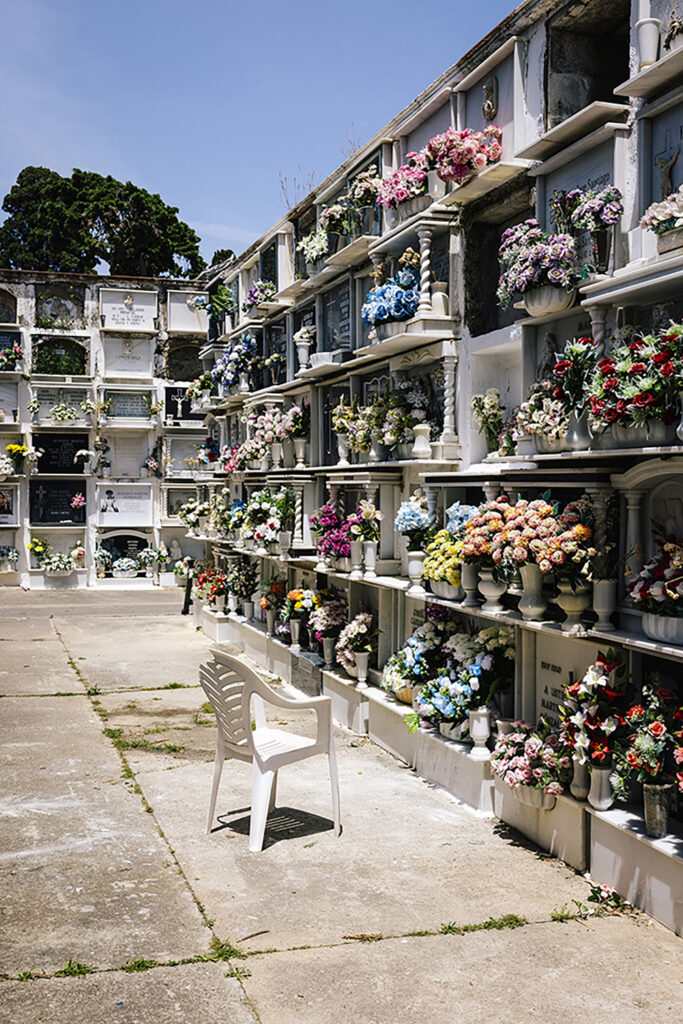
Inconclusive: Nerea Lakuntza
Thousands of families continue to search for answers about babies separated from their mothers and given up for adoption for decades in Spain. Inconclusive explores this story of absence and search through portraits, places and archives, examining the relationship between memory, identity and loss. The title comes from a word that appears in legal proceedings when there is insufficient evidence to continue an investigation: a word that also sums up a story which, for many families, remains unanswered.
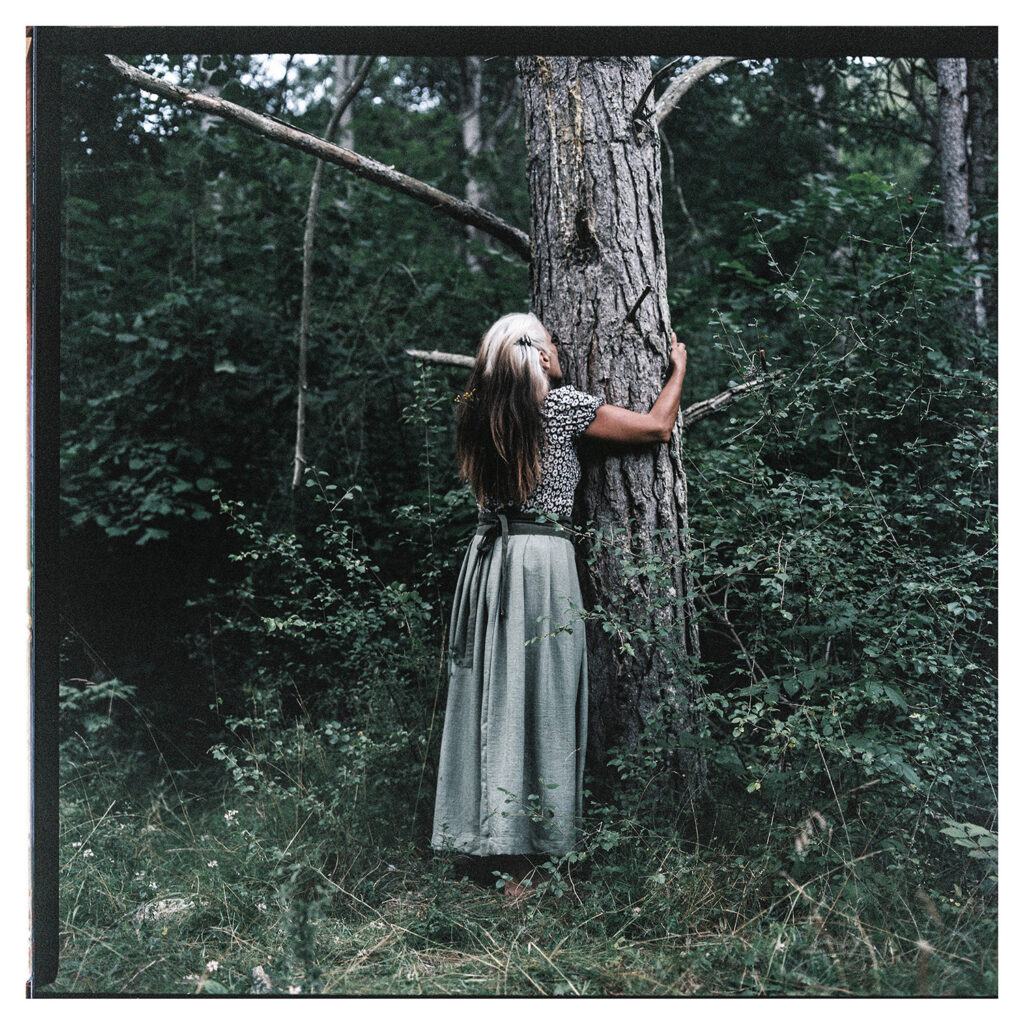
Les Trementinaires: Silvia Prió
During the 19th and 20th centuries, women from the La Vansa and Tuixent valleys walked across Catalonia to sell medicinal plants and natural remedies. Known as the ‘trementinaires’, these women came from humble backgrounds. Their knowledge of plants was passed on from mother to daughter, and they sometimes spent months away from home following their routes. In Les Trementinaires, Silvia Prió recovers this story of knowledge, travel and female autonomy as part of her project Magia, Mujeres y Ritos (Magic, women and rites).
Ten projects, ten ways of using photography to reflect on what makes us who we are: the people around us, the places we inhabit, the stories we have inherited and those we are still trying to understand.