
Energía de Barrio: transforming Granada’s neighbourhoods through participatory photography
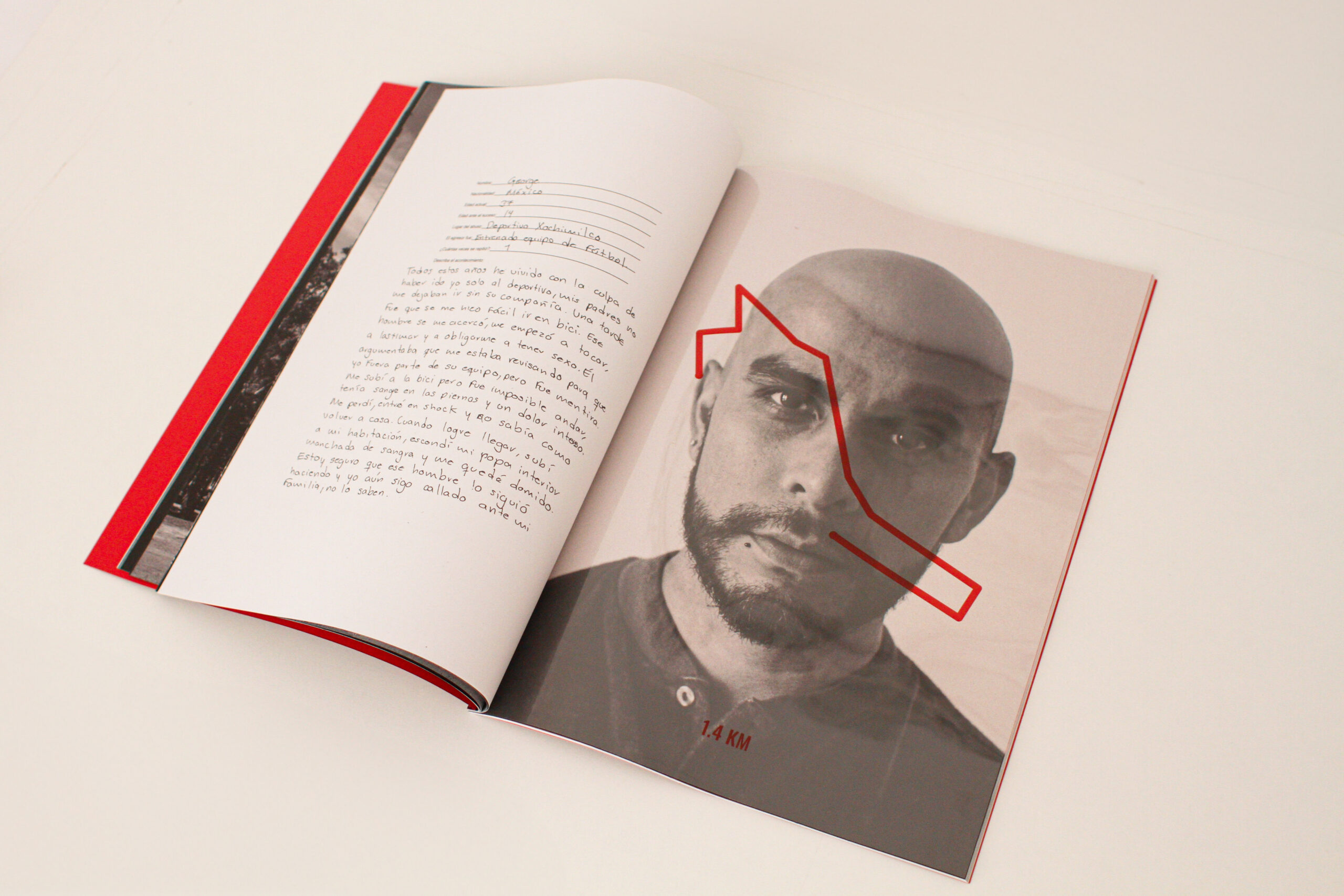
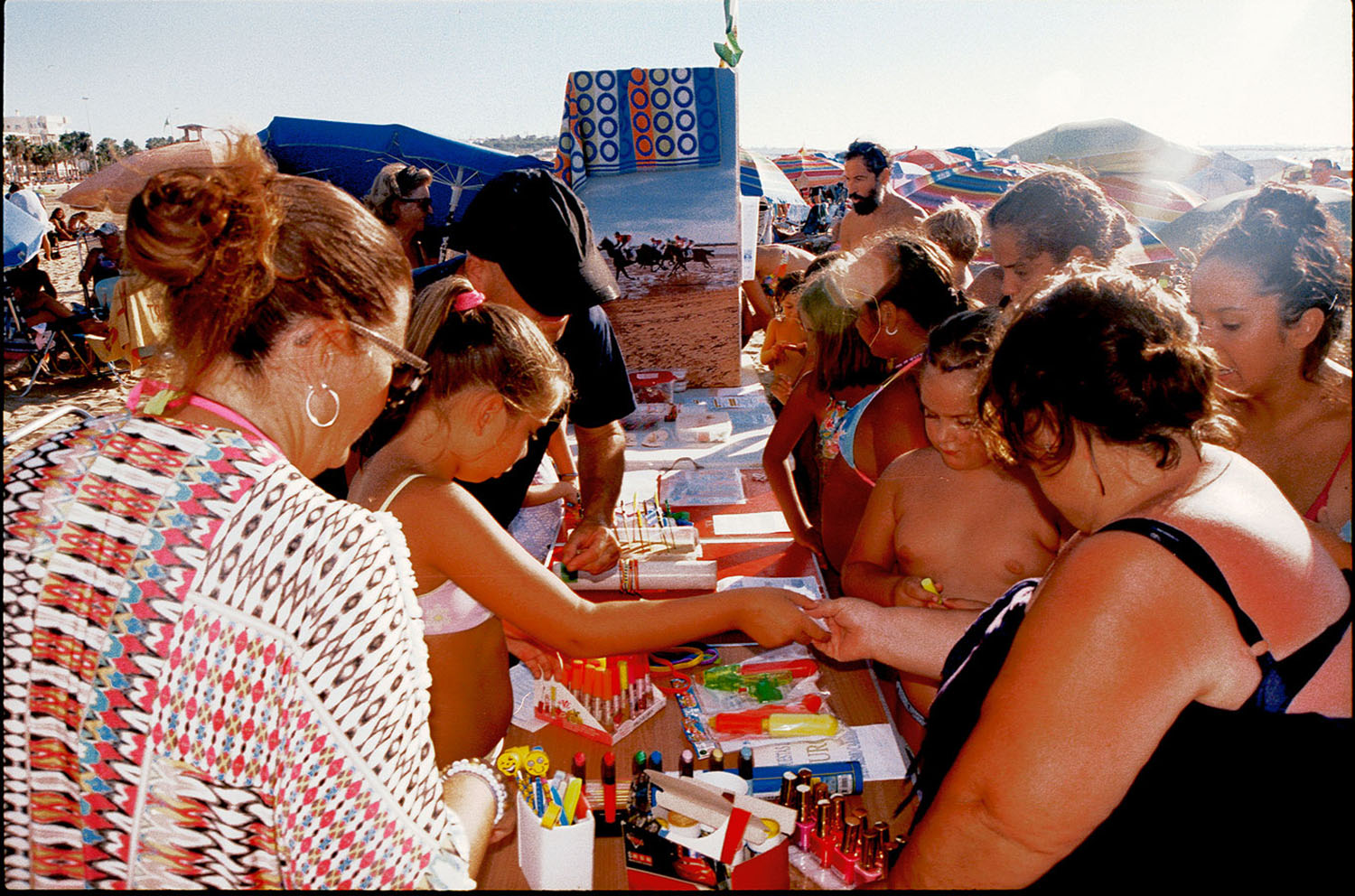
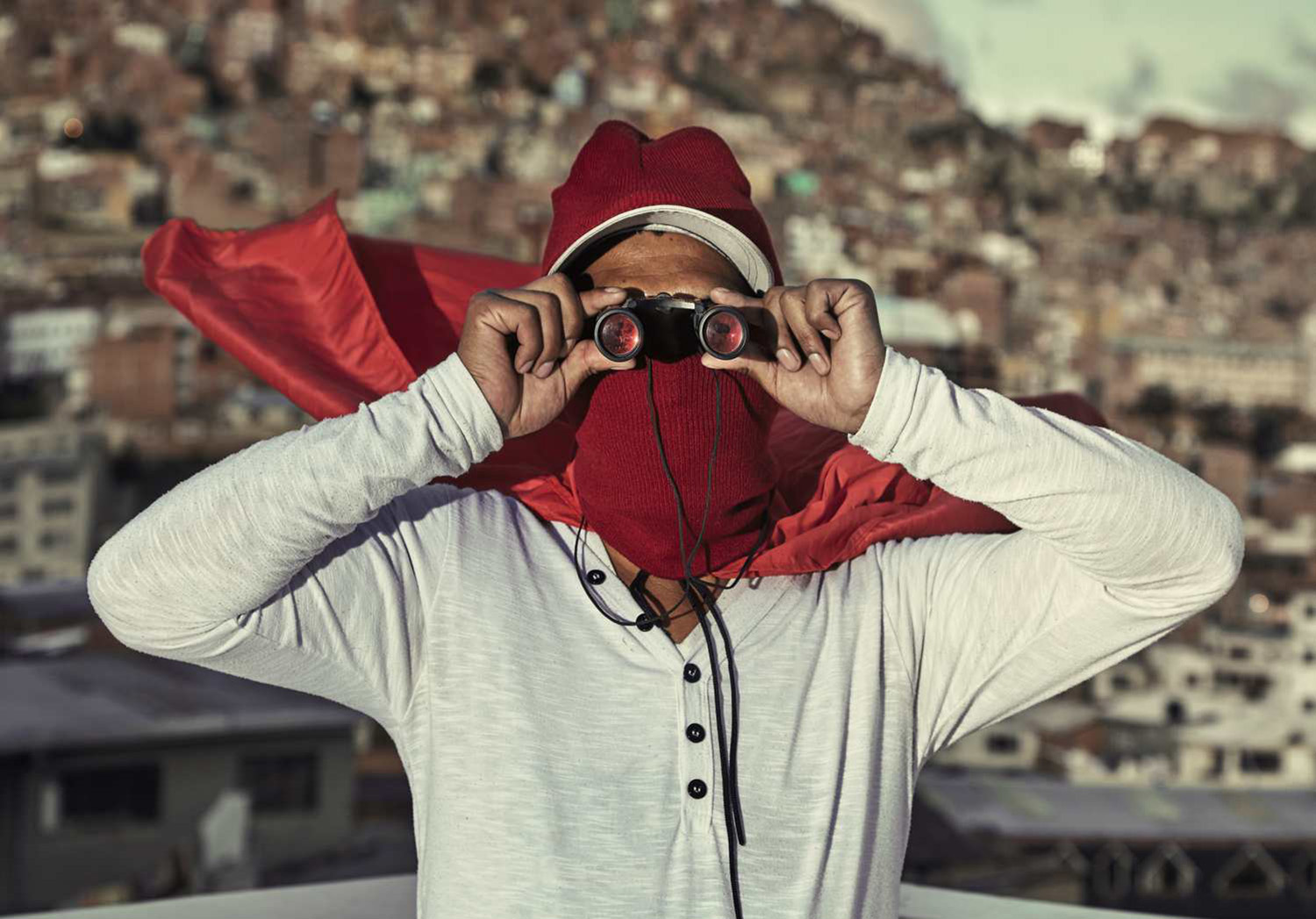
Energía de Barrio (Neighbourhood Energy) is a project promoted by Pa-ta-ta Festival that uses participatory photography to highlight the realities, dreams, identities and daily struggles of Granada’s neighbourhoods. Through collaborative processes, the project creates a space for the neighbourhood to express themselves without censorship and to collectively create and reflect on their surroundings, using photography as a tool for representation, connection and transformation.
How does it work?
Each edition of the Pa-ta-ta Festival will focus on four of Granada’s eight districts. In 2025, these will be Beiro, Chana, Centro and Norte. Each district will sponsor one of the photographic projects selected for the ‘Photography with Social Impact’ Award, and building on that connection, the neighbourhood will create a collective photographic project inspired by the sponsored work, establishing a dialogue between the artist’s work and the experiences, dreams or realities of the neighbourhood. Click here to find out how to participate.


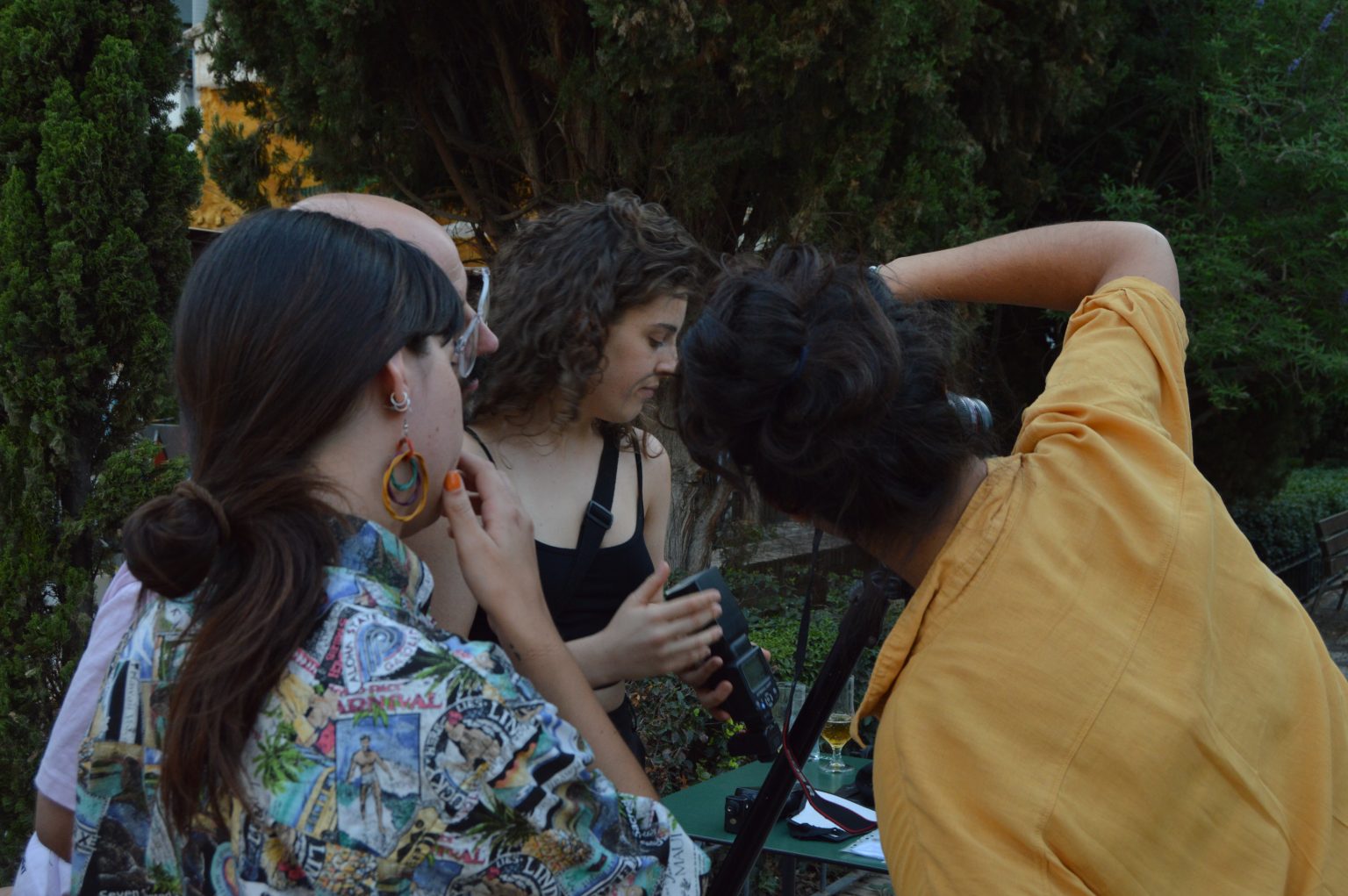
A first meeting with the residents of Realejo
Plaza del Príncipe, in the heart of the Realejo neighbourhood, was the setting for our first meeting as part of Energía de Barrio. Julia, a local resident, came along to share her thoughts on some of the most pressing challenges facing the neighbourhood.
One of these is the impact of tourism and, in particular, the uncontrolled growth of tourist accommodation such as Airbnb flats. “Granada isn’t a very big city, and the tourist area is even smaller, so the effect is very noticeable,” Julia told us. She mentioned places like the Paseo de los Tristes, which get so crowded they become impassable, with free tour groups, taxis, motorbikes, tourist trains and buses criss-crossing the streets.

Traffic and pollution are also a constant concern. In restricted areas, such as Barranco del Abogado, large vehicles continue to drive through, including tourist buses that double-park and block the way. “It’s outrageous,” Julia summed up, “and all of this affects the quality of life of those of us who live here.”
Mobility and pollution issues have been around for years. In fact, Julia is a member of the Realejo Habitable platform, which was set up to demand improvements in this area. Nevertheless, the housing crisis stemming from mass tourism is more recent. The rise in tourist flats is driving out residents, damaging local businesses and transforming the neighbourhood’s identity, in this resident’s words.
When we asked her how she thinks photography can help, Julia was clear: “It wasn’t until I moved here that I realised how serious the problem was. Photography can show you what’s happening in the neighbourhood, even if you don’t live there, and convey that message to more people.” For her, images have the power to make these realities visible, develop empathy and open up conversations about the future of neighbourhoods.