The Pa-ta-ta Festival 2025 reaffirms its commitment to photography as a tool for social transformation
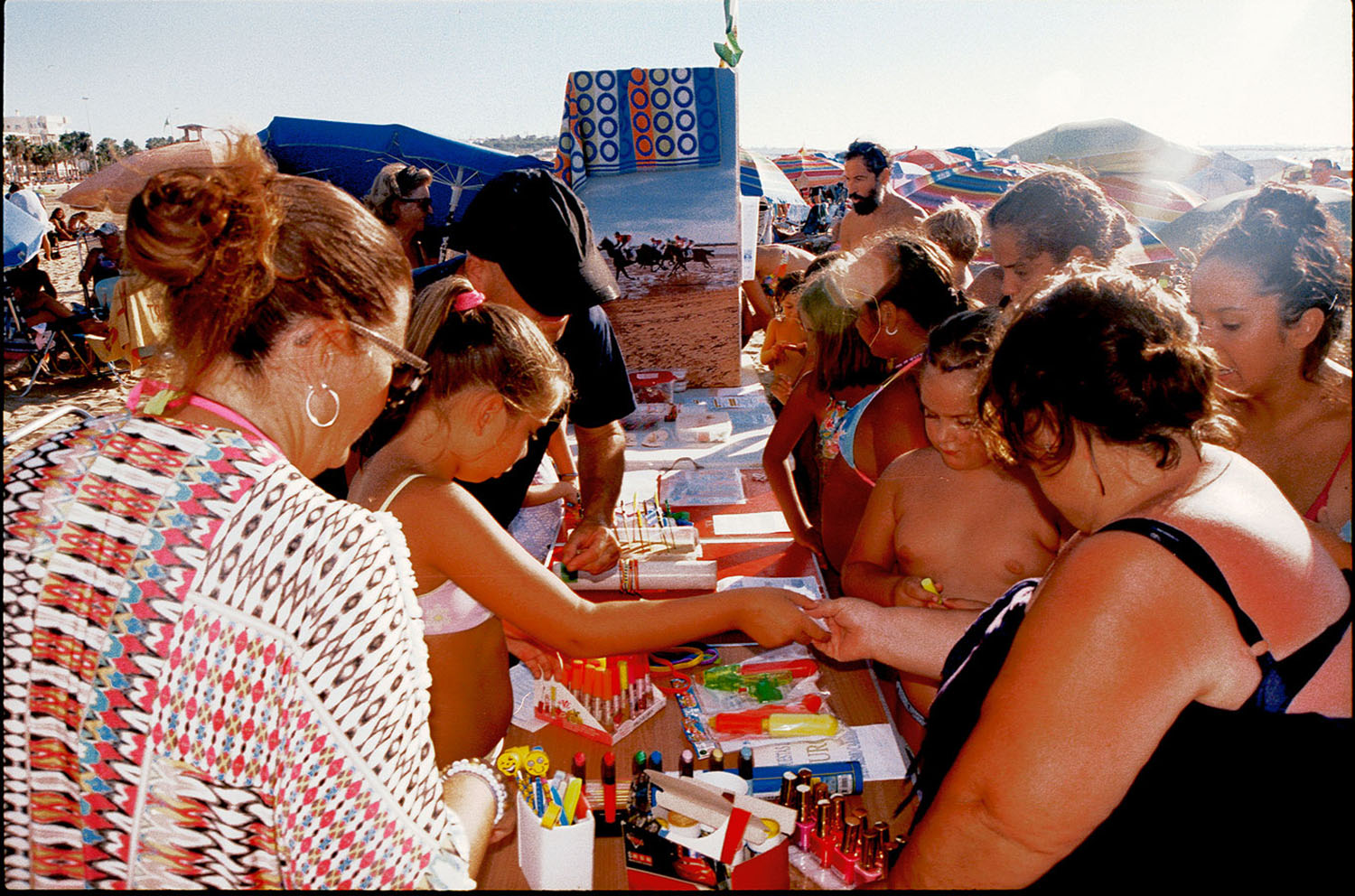
For the co-directors of the Pa-ta-ta Festival (held from October 6 to 12, Cecilio Puertas and María Martín, this edition has been “a confirmation”: the festival has succeeded in making both the city and the province of Granada feel the project as their own. “We have achieved this through the work of photographic mediation,” Puertas explains. “The projects Reto Demográfico (Demographic Challenge) and Energía de Barrio (Neighborhood Energy) are a clear example, and we want to keep working in this direction every year.” Martín also highlights the collective drive and the reach achieved: “The festival has had more media coverage than in other years, more citizen participation and more institutional support. These are very positive elements that encourage us to continue growing.”
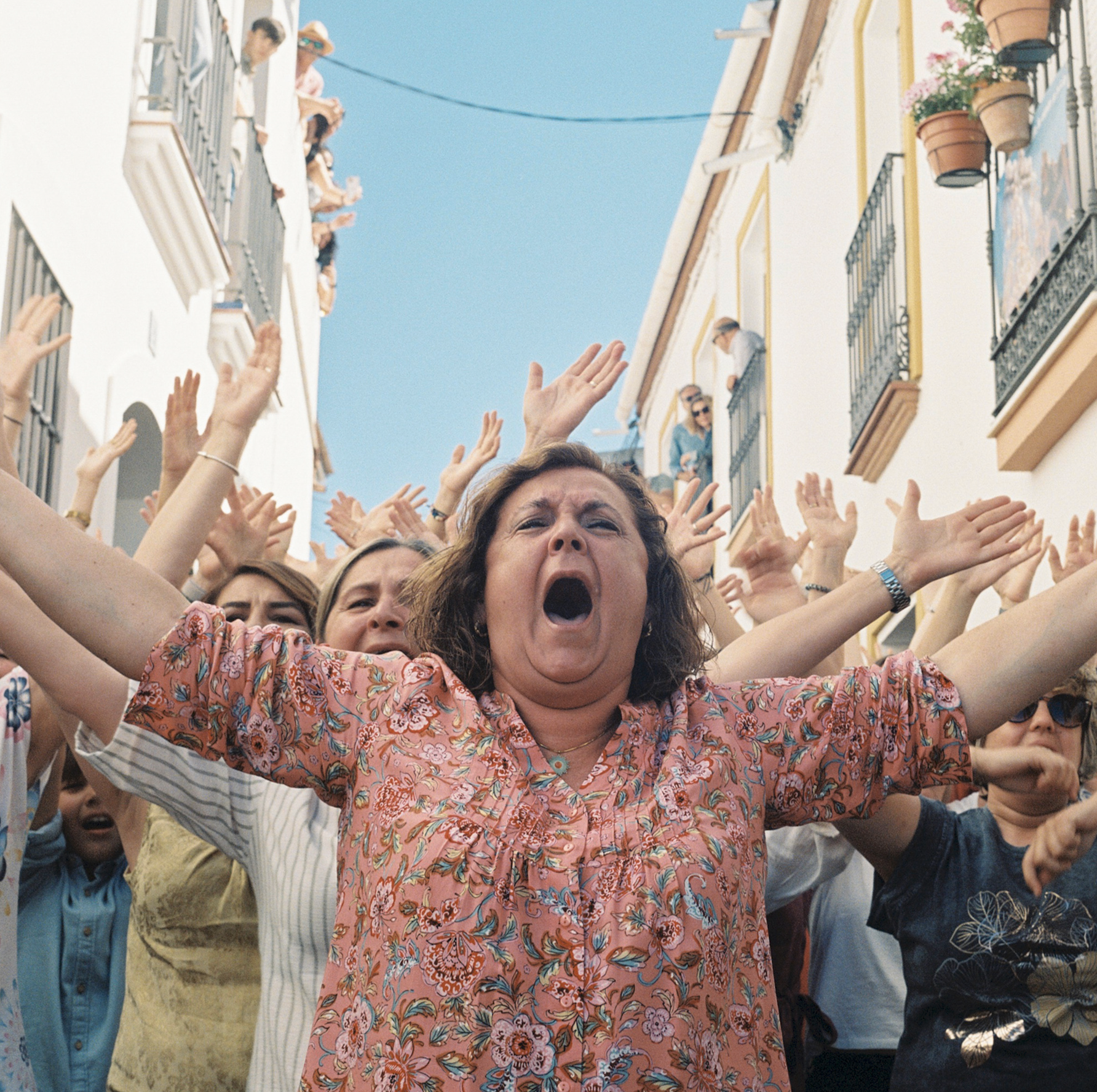
Both co-directors emphasize that Pa-ta-ta has established itself as a photography festival with social impact, in which the image is not only contemplated, but also shared and experienced. “Photographers with experience and prestige have come down to street level to talk to people and explain their projects in an educational way. “The photography world needs much more of this kind of public communication,” Puertas points out. Martín adds that, success aside, their team is already working on improving internal processes “so that the festival becomes more solid, human and sustainable each year.”
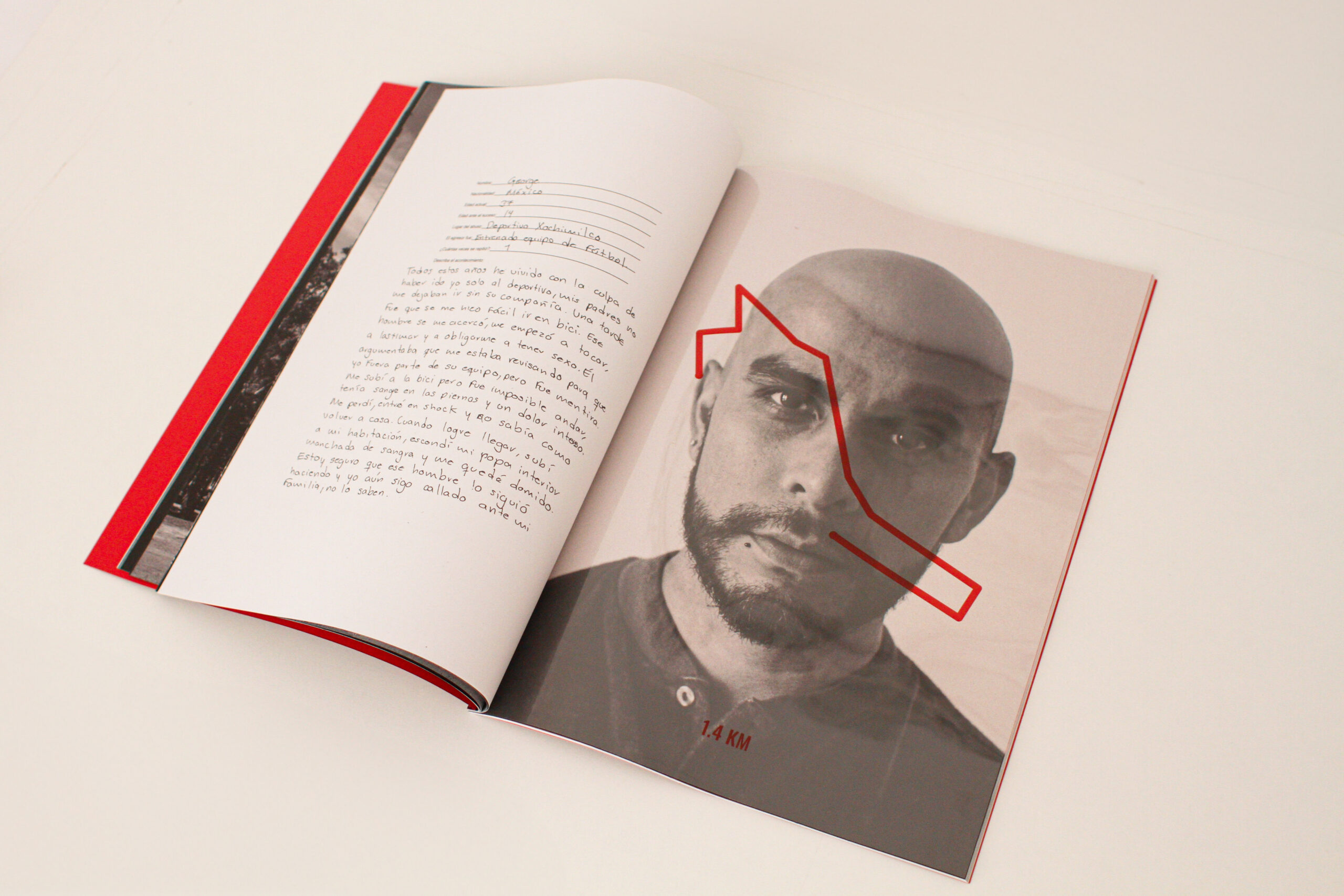
That collaborative spirit is also reflected in the voices of the artists who participated in the Photography with Social Impact International Award. The winner, Silvia Ayerra, author of Diente de Leche (Milk Tooth), celebrates the recognition of social intervention projects and also values the collective energy that defines the festival: “We have witnessed very involved collectives, people who have received the message of transformation through the image and have committed to their proposals.Participatory photography goes hand in hand with community-based management. It helps us build networks, communicate and support each other.”
With the same sensibility, Luana Fischer, author of Huellas (Imprints), insists that photography should serve as a means to make the invisible visible: “It’s not just about showing images, but about showcasing lives and stories that are rarely seen. When an image is collectively built, it becomes a shared experience. Now more than ever, we need images that bring us together and restore our sense of community.”
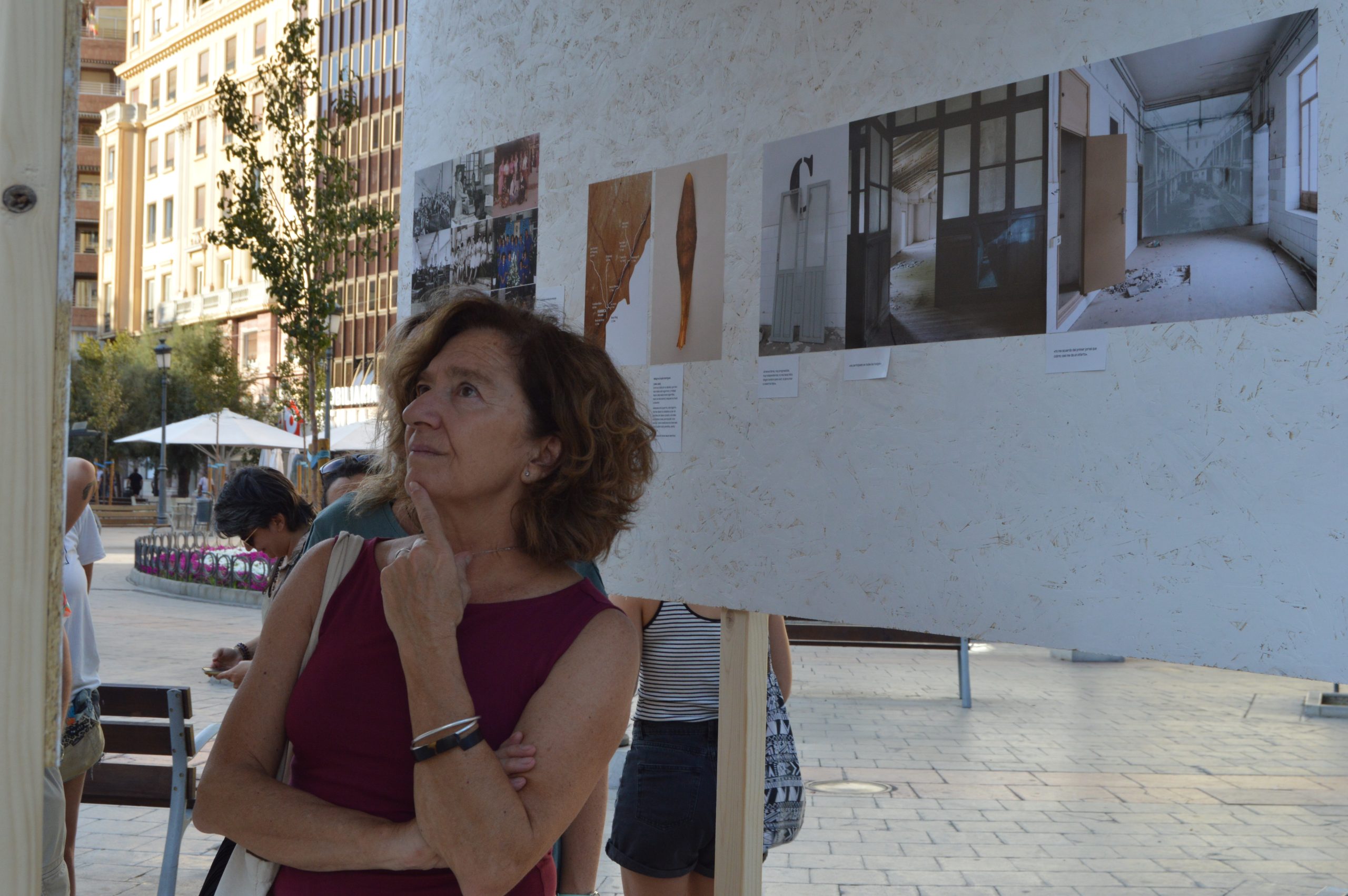
Photographer Lucía Morate, with her project Las Cigarreras de Alicante (The Cigarette Makers of Alicante), defines Pa-ta-ta as “a luxury” and celebrates its existence in Spain, where it is “practically the only festival that is fully committed to this type of initiative.” Morate believes that participatory photography “blurs the barrier between artists and citizens, fostering more reflective, free and plural societies”. She also emphasizes the importance of bringing the exhibitions to the streets. “Making our work accessible to all kinds of audiences fosters a sense of community and involvement, even among people outside the world of photography.”
From an international perspective, Ola Skowrońska (author of Heda) stresses the urgency of breaking down the boundaries of traditional art. “Collaborative processes allow photography to break out of its bubble and give a voice to the people. Citizen participation adds new layers of reality and allows projects to explore these issues from within, offering a more honest and intimate perspective.”
That combination of reflection, experimentation, and social connection sums up the spirit of Pa-ta-ta. A festival that, as its co-directors conclude, “does not seek to make everyone a photographer, but rather for each person to acquire a critical perspective on the images that surround them.” In its 2025 edition, Pa-ta-ta has shown that photography can be a form of encounter and collective transformation. A community-based festival where art is collectively built.